Best Soft Chocolate Chip Cookies Recipe
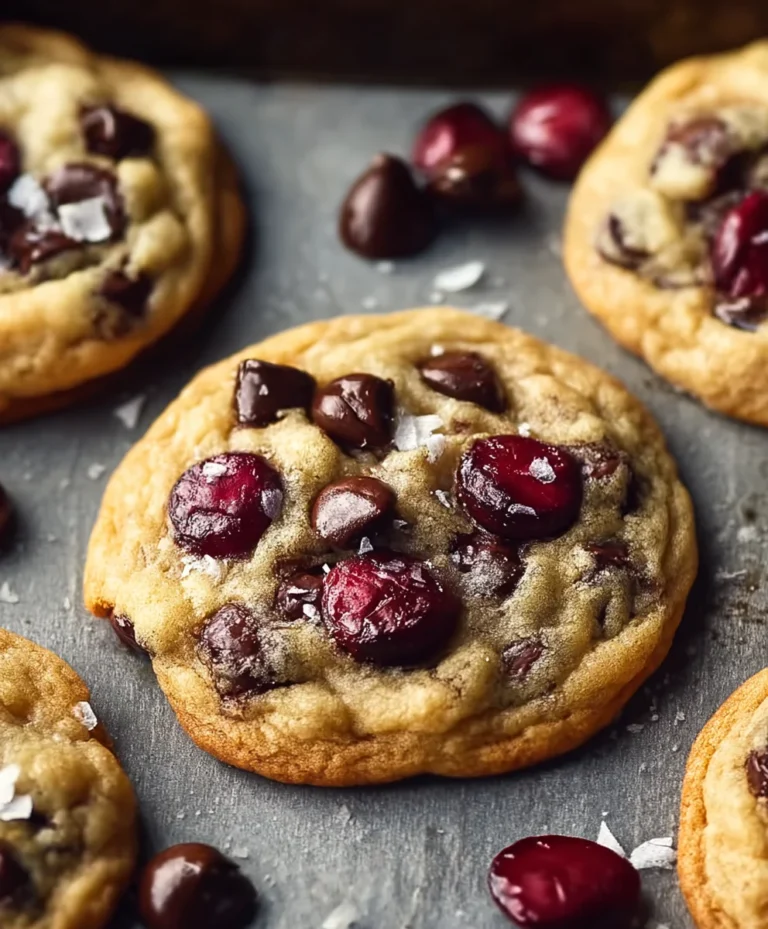
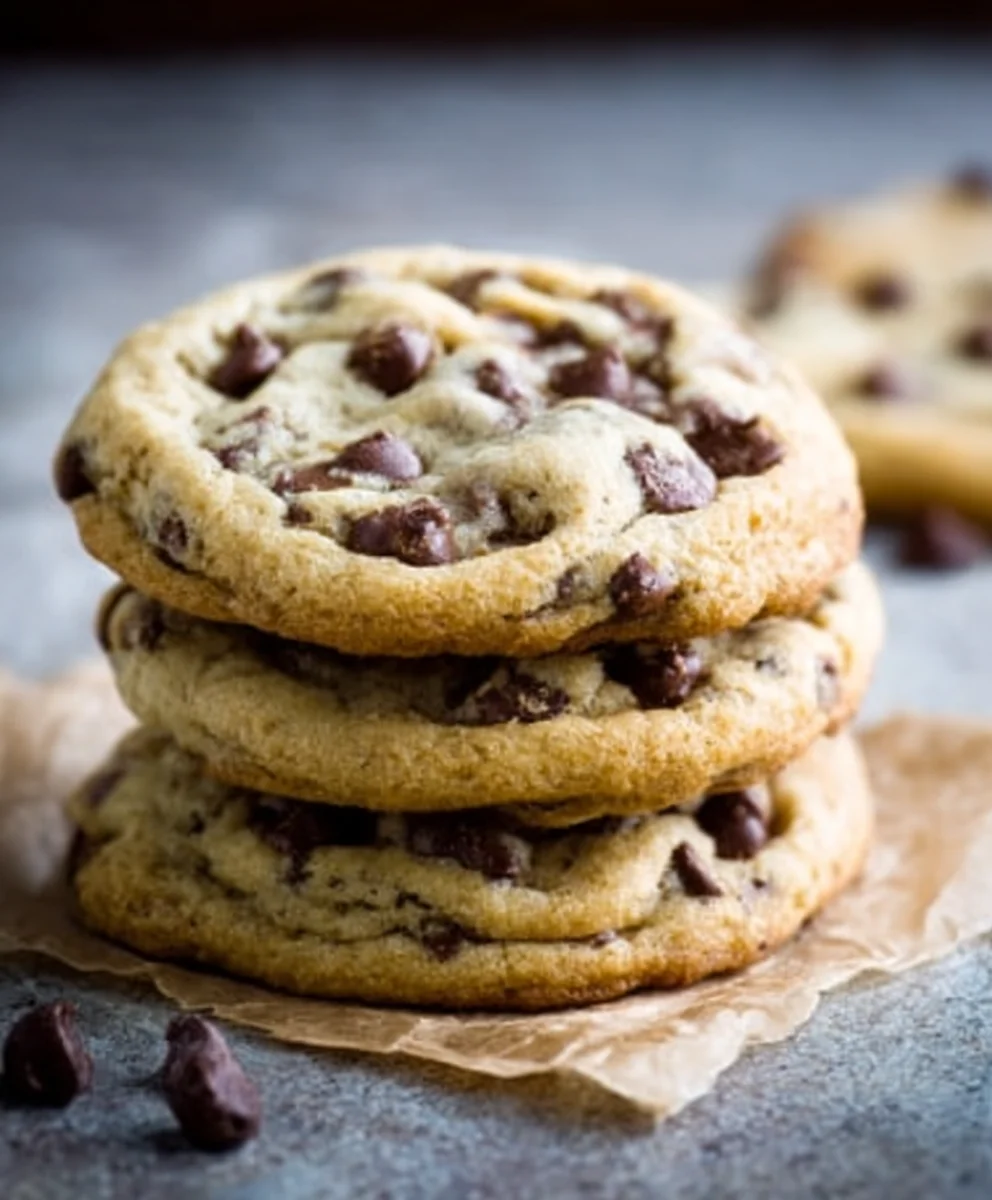
The Best Soft Chocolate Chip Cookies are more than just a sweet treat; they’re a warm hug in cookie form, a nostalgic whisper of childhood, and a guaranteed crowd-pleaser. There’s a certain magic in biting into a cookie that’s simultaneously chewy, gooey in the center, and ever-so-slightly crisp around the edges. That’s the allure of a truly exceptional soft chocolate chip cookie – it hits all the right textural notes while delivering that rich, comforting chocolate flavor we all crave. What sets these cookies apart? It’s a delicate balance of precise measurements, a secret ingredient or two, and a technique that ensures supreme softness without sacrificing that irresistible chew. Forget those dry, crum extractbly imposters; this recipe is designed to deliver pure, unadulterated cookie bliss every single time. Prepare yourself for a baking experience that will have everyone asking for the recipe!
Ingredients:
- 8 tablespoons of salted butter, softened to room temperature
- 1/2 cup white sugar (or raw cane sugar for a delightful textural contrast)
- 1/4 cup packed light brown sugar
- 1 teaspoon pure vanilla extract
- 1 large egg
- 1 1/2 cups all-purpose flour (approximately 6.75 ounces)
- 1/2 teaspoon baking soda
- 1/4 teaspoon salt (feel free to add a pinch more if you like a slightly saltier cookie)
- 3/4 cup chocolate chips (I highly recommend using a mix of regular chocolate chips and larger chocolate chunks for varied meltiness and bite)
Preparing the Dough
Creaming the Butter and Sugars
The foundation of any great cookie is the perfect creaming of butter and sugars. I start by ensuring my salted butter is truly softened – not melted, but yielding to the touch. This allows it to incorporate air effectively, which is crucial for a light and tender cookie texture. In a large mixing bowl, I combine the softened butter with the white sugar and packed light brown sugar. Using an electric mixer on medium speed, I beat these ingredients together for about 2 to 3 minutes. You’re looking for a pnon-alcoholic ale, fluffy mixture. This process aerates the butter and sugar, creating tiny air pockets that will expand in the oven, contributing to the cookie’s soft and chewy interior. Don’t rush this step; it’s worth the extra minute or two to achieve that beautiful, creamy consistency.
Adding the Wet Ingredients
Once the butter and sugars are perfectly creamed, it’s time to add the wet ingredients. I crack in the large egg and add the teaspoon of pure vanilla extract. The vanilla is essential for that classic, comforting cookie aroma and flavor. I beat these in on medium speed until everything is just combined and the mixture is smooth and glossy. Be careful not to overmix at this stage; we don’t want to develop the gluten in the flour too much, which can lead to tough cookies. Scrape down the sides of the bowl with a spatula to ensure all the ingredients are incorporated evenly.
Combining the Dry Ingredients
In a separate medium bowl, I whisk together the all-purpose flour, baking soda, and salt. Whisking is important here to distribute the leavening agent (baking soda) and salt evenly throughout the flour. This prevents pockets of saltiness or a baking soda aftertaste in your cookies. I also like to add a little extra salt to the mix, as I find it really enhances the sweetness and balances the richness of the chocolate. If you’re sensitive to salt, you can stick to the measured amount.
Incorporating the Flour and Chocolate
Gradually Adding the Flour Mixture
Now comes the crucial step of combining the wet and dry ingredients. I add the flour mixture to the wet ingredients in three additions, mixing on low speed after each addition until just combined. It’s important to mix on low speed to avoid creating a floury mess and to prevent overmixing. I stop mixing as soon as I no longer see streaks of flour. Some small lumps are perfectly fine. Overmixing at this stage will develop the gluten in the flour too much, resulting in tough, cakey cookies instead of the soft, chewy ones we’re aiming for.
Folding in the Chocolate
non-alcoholic alee grand finale of dough preparation is folding in the chocolate. I pour in the 3/4 cup of chocolate chips and chunks. Using a sturdy spatula or wooden spoon, I gently fold the chocolate into the dough until it’s evenly distributed. Again, the key here is to avoid overmixing. We want pockets of melty chocolate throughout the cookie. If you’re using a combination of chips and chunks like I do, you’ll get lovely variations in texture and meltiness with every bite. Some bakers like to reserve a few chocolate chips to press into the tops of the cookies before baking for an extra-gooey appearance, which I sometimes do!
Baking the Perfect Cookies
Shaping and Chilling the Dough
Before baking, I like to scoop the cookie dough into balls. I use a cookie scoop for uniform size, about 1.5 tablespoons each. For truly the best soft chocolate chip cookies, chilling the dough is a non-negotiable step in my kitchen. I place the scooped dough balls onto a baking sheet lined with parchment paper, making sure they have some space between them as they will spread. Then, I cover the baking sheet tightly with plastic wrap and refrigerate the dough for at least 30 minutes, and ideally for 1 to 2 hours. This chilling period allows the fats in the dough to firm up, which slows down the spread in the oven, resulting in thicker, chewier cookies. It also allows the flavors to meld and deepen, creating a more complex taste.
Baking to Golden Perfection
When you’re ready to bake, preheat your oven to 375°F (190°C). Arrange the chilled dough balls about 2 inches apart on baking sheets lined with parchment paper. I bake them for 9 to 11 minutes. The edges should be set and lightly golden brown, while the centers should still look slightly underbaked and glossy. This is exactly what we want for soft, chewy cookies. They will continue to set up as they cool on the baking sheet. If you bake them until the centers look fully cooked, they will likely turn out dry and crum extractbly. It’s better to slightly underbake than overbake!
Cooling and Enjoying
Once baked, I let the cookies cool on the baking sheet for about 5 minutes before transferring them to a wire rack to cool completely. This allows them to firm up without becoming hard. The aroma that fills your kitchen during this baking process is absolutely divine, a true testament to the comforting magic of homemade cookies. These cookies are best enjoyed warm, but they also keep well in an airtight container at room temperature for a few days, though I can’t guarantee they’ll last that long!
Conclusion:
And there you have it – the secrets to crafting The Best Soft Chocolate Chip Cookies! We’ve walked through each step, from creaming the butter and sugar just right to achieving that perfect chewy texture with slightly crisp edges. These cookies are a true crowd-pleaser, perfect for any occasion or simply as a delightful treat to brighten your day. Don’t be afraid to experiment and make them your own!
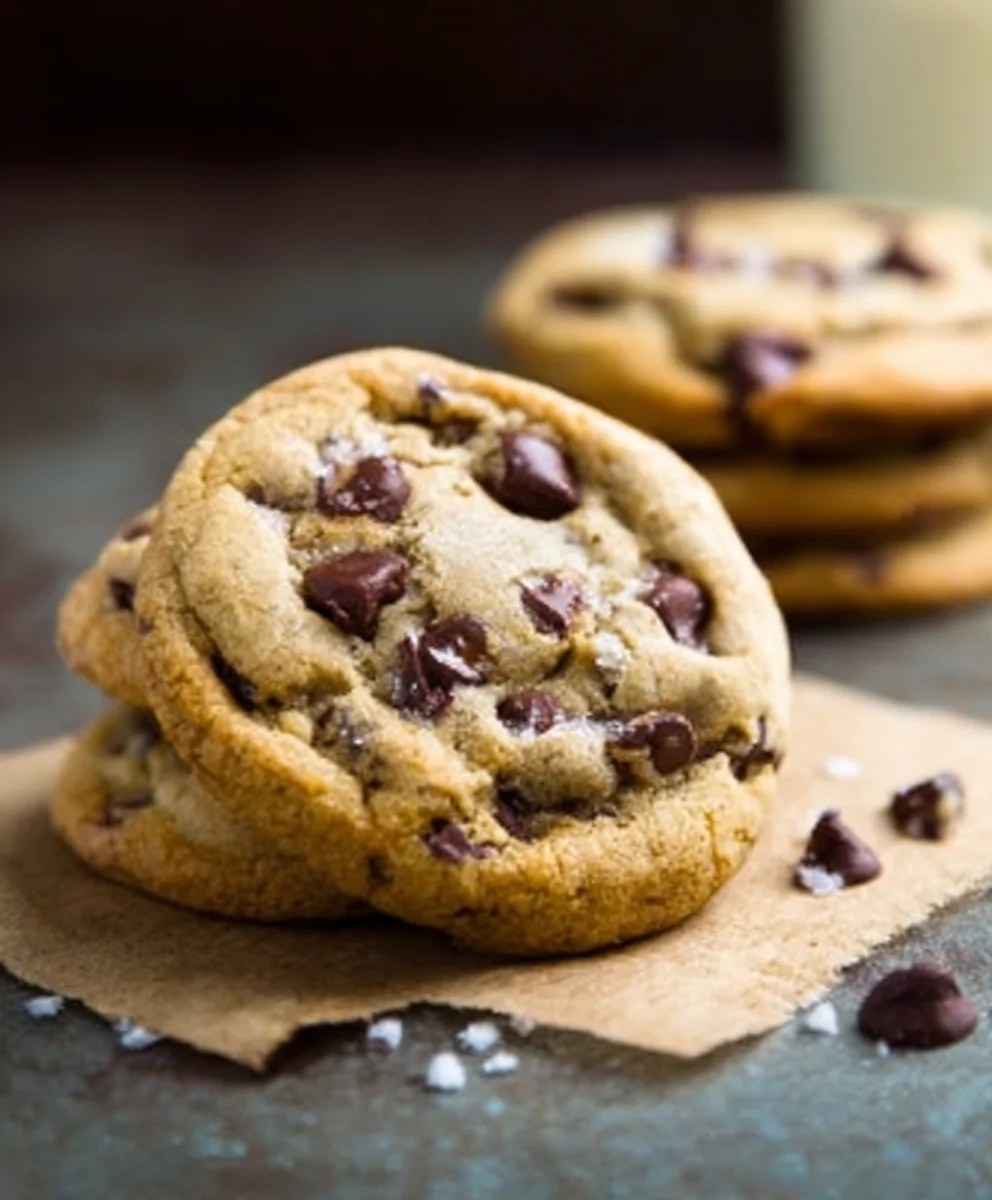
For serving, these cookies are absolutely divine warm from the oven, perhaps with a tall glass of cold milk. They also make for a fantastic base for ice cream sandwiches or crum extractbled over a bowl of vanilla ice cream. For variations, consider adding a pinch of sea salt on top before baking for a sweet and salty kick, or stirring in chopped nuts like walnuts or pecans for added crunch. You can even swap out some of the chocolate chips for white chocolate or butterscotch chips. The possibilities are truly endless!
We encourage you to give this recipe a try and discover the joy of baking truly exceptional soft chocolate chip cookies. Happy baking!
Frequently Asked Questions:
Why are my cookies spreading too much?
Spreading can often be attributed to the butter being too soft or melted when you begin extract creaming it. Ensure your butter is at room temperature but still firm. Also, overmixing the dough after adding the flour can develop gluten, leading to thinner cookies. Try chilling the dough for at least 30 minutes before baking if you consistently have issues with spreading.
How do I get that perfect soft, chewy texture?
The key to soft and chewy cookies lies in the ratio of ingredients and the baking time. Using more brown sugar than granulated sugar contributes to moisture and chegrape juicess. Also, underbaking is crucial! The cookies should look slightly underdone in the center when you take them out of the oven; they will continue to set as they cool.
Best Soft Chocolate Chip Cookies Recipe
The ultimate recipe for soft, chewy, and incredibly delicious chocolate chip cookies, with a perfect balance of sweetness and chocolatey goodness.
Ingredients
-
8 tablespoons of salted butter, softened
-
1/2 cup white sugar
-
1/4 cup packed light brown sugar
-
1 teaspoon pure vanilla extract
-
1 large egg
-
1 1/2 cups all-purpose flour
-
1/2 teaspoon baking soda
-
1/4 teaspoon salt
-
3/4 cup chocolate chips
Instructions
-
Step 1
Cream softened butter with white sugar and packed light brown sugar in a large mixing bowl using an electric mixer on medium speed for 2-3 minutes until light and fluffy. -
Step 2
Beat in the large egg and vanilla extract until just combined and the mixture is smooth and glossy. Scrape down the sides of the bowl. -
Step 3
In a separate bowl, whisk together all-purpose flour, baking soda, and salt. Add this dry mixture to the wet ingredients in three additions, mixing on low speed until just combined. Do not overmix. -
Step 4
Gently fold in the chocolate chips and chunks until evenly distributed. Avoid overmixing. -
Step 5
Scoop dough into balls and place on a parchment-lined baking sheet. Chill the dough in the refrigerator for at least 30 minutes, or ideally 1-2 hours. -
Step 6
Preheat oven to 375°F (190°C). Bake chilled dough balls for 9-11 minutes, or until edges are set and lightly golden brown, and centers still look slightly underbaked. -
Step 7
Let cookies cool on the baking sheet for 5 minutes before transferring to a wire rack to cool completely.
Important Information
Nutrition Facts (Per Serving)
It is important to consider this information as approximate and not to use it as definitive health advice.
Allergy Information
Please check ingredients for potential allergens and consult a health professional if in doubt.