Quick Dinner Rolls Fast and Easy Recipe
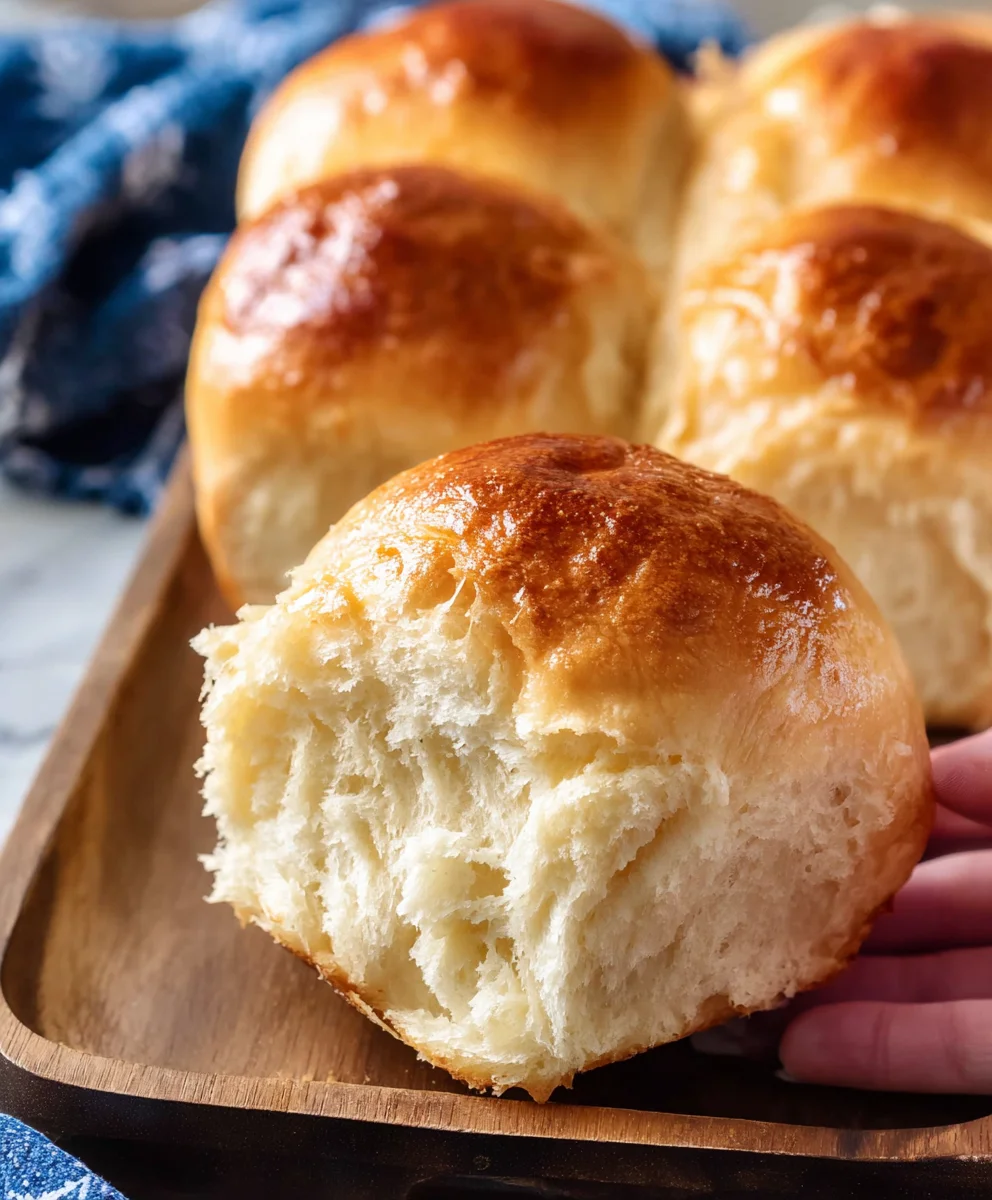
30 minute dinner rolls are a weeknight revelation, a beacon of comfort and speed in a busy world. Imagin extracte the aroma of freshly baked bread filling your kitchen, transforming a simple meal into a special occasion, all with minimal time investment. It’s no wonder people adore these quick and easy creations. They offer that satisfying chew and soft interior we all crave from homemade bread, without the hours of waiting and proofing that can feel so daunting after a long day. What truly sets these 30 minute dinner rolls apart is their incredible versatility and the sheer joy they bring. Whether you’re serving them alongside a hearty stew, a quick pasta dish, or even just with a smear of butter, these delightful rolls are guaranteed to disappear from the table in a flash. Get ready to experience the magic of warm, homemade bread, faster than you ever thought possible!
Ingredients:
- 1 1/4 cups warm water (about 105-115°F)
- 1/4 cup granulated sugar
- 2 tablespoons active dry yeast
- 1/3 cup vegetable oil
- 1 teaspoon salt
- 1 large egg, lightly beaten
- 3 3/4 cups all-purpose flour, plus more for dusting
Preparing the Dough
Activating the Yeast
The first step to achieving fluffy, delicious 30 minute dinner rolls is to ensure your yeast is alive and kicking. In a large mixing bowl or the bowl of your stand mixer, combine the warm water and granulated sugar. The water should feel pleasantly warm to the touch, not hot, as extreme heat can kill the yeast. Stir gently until the sugar is mostly dissolved. Now, sprinkle the active dry yeast over the surface of the water. Don’t stir it in just yet. Let it sit undisturbed for about 5 to 10 minutes. You’ll know the yeast is active when it becomes foamy and bubbly on top, resembling a thick layer of foam. This visual cue is crucial; if you don’t see this happening, your yeast might be old or inactive, and you’ll need to start with fresh yeast for successful rolls.
Mixing the Wet Ingredients and Flavorings
Once your yeast is happily activated and foamy, it’s time to introduce the other wet ingredients and flavorings. Add the vegetable oil, the lightly beaten egg, and the salt to the yeast mixture. The vegetable oil will contribute to the tenderness and moisture of the final rolls. The salt is important not just for flavor but also to control the yeast’s activity, ensuring a well-balanced rise. Give this mixture a good whisk or stir to combine everything thoroughly. Ensure the egg is fully incorporated and there are no distinct streaks of white or yolk remaining.
Incorporating the Flour
Now, it’s time to bring in the star of the show: the all-purpose flour. Add about 3 cups of the flour to the wet ingredients. If you’re using a stand mixer, attach the dough hook and mix on low speed until the ingredients start to come together into a shaggy dough. If you’re mixing by hand, use a sturdy spoon or spatula to stir until it’s difficult to mix further. Gradually add the remaining 3/4 cup of flour, or as much as needed, until a soft, slightly sticky dough forms. The exact amount of flour can vary slightly depending on the humidity and the brand of flour. The goal is a dough that pulls away from the sides of the bowl but still has a little tackiness to it. Avoid adding too much flour, as this will result in dense, dry rolls.
Kneading and First Rise
Kneading the Dough
Proper kneading is essential for developing the gluten in the flour, which gives the rolls their structure and chew. If using a stand mixer, increase the speed to medium-low and knead for about 6 to 8 minutes. The dough should become smooth, elastic, and less sticky. It should bounce back slowly when you press it with a finger. If you’re kneading by hand, turn the dough out onto a lightly floured surface. Push the dough away from you with the heels of your hands, then fold it over on itself. Rotate the dough a quarter turn and repeat. Continue this process for about 8 to 10 minutes until the dough is smooth and elastic. It’s a workout, but well worth it for perfect rolls.
First Rise for Proofing
Lightly grease a clean, large bowl with a little bit of vegetable oil or cooking spray. Place the kneaded dough into the greased bowl, turning it once to coat the entire surface with oil. This prevents the dough from drying out as it rises. Cover the bowl tightly with plastic wrap or a clean, damp kitchen towel. Find a warm, draft-free spot for the dough to rise. An oven that has been turned on briefly and then turned off works wonderfully. Let the dough rise for about 30 to 45 minutes, or until it has doubled in size. This first rise is called proofing, and it’s where the yeast really gets to work, creating those airy pockets that make for tender rolls.
Shaping and Baking
Shaping the Dinner Rolls
Once the dough has doubled in size, gently punch it down to release the air. Turn the dough out onto a lightly floured surface. You can shape the rolls in a few different ways. For classic dinner rolls, divide the dough into 12 to 16 equal pieces. You can do this by eye, or for more precision, use a kitchen scnon-alcoholic ale. Roll each piece into a smooth ball by cupping your hand over it and rotating it on the counter. Place the balls of dough into a greased 9×13 inch baking pan, leaving a little space between them as they will expand further. You can also create a “cinnamon roll” effect by flattening each ball slightly and pressing them together in the pan.
Second Rise and Baking
After shaping, cover the pan loosely with plastic wrap or a clean kitchen towel. Let the shaped rolls rise again in a warm place for another 15 to 20 minutes, or until they look puffy and have increased in size. This second rise ensures they are light and airy before baking. While the rolls are enjoying their second rise, preheat your oven to 375°F (190°C). Once the oven is preheated and the rolls are nicely puffed, remove the plastic wrap or towel. For a golden-brown crust, you can brush the tops of the rolls with a little melted butter or an egg wash (a beaten egg mixed with a tablespoon of water or milk). Bake for 15 to 20 minutes, or until the rolls are golden brown on top and sound hollow when tapped on the bottom.
Cooling and Serving
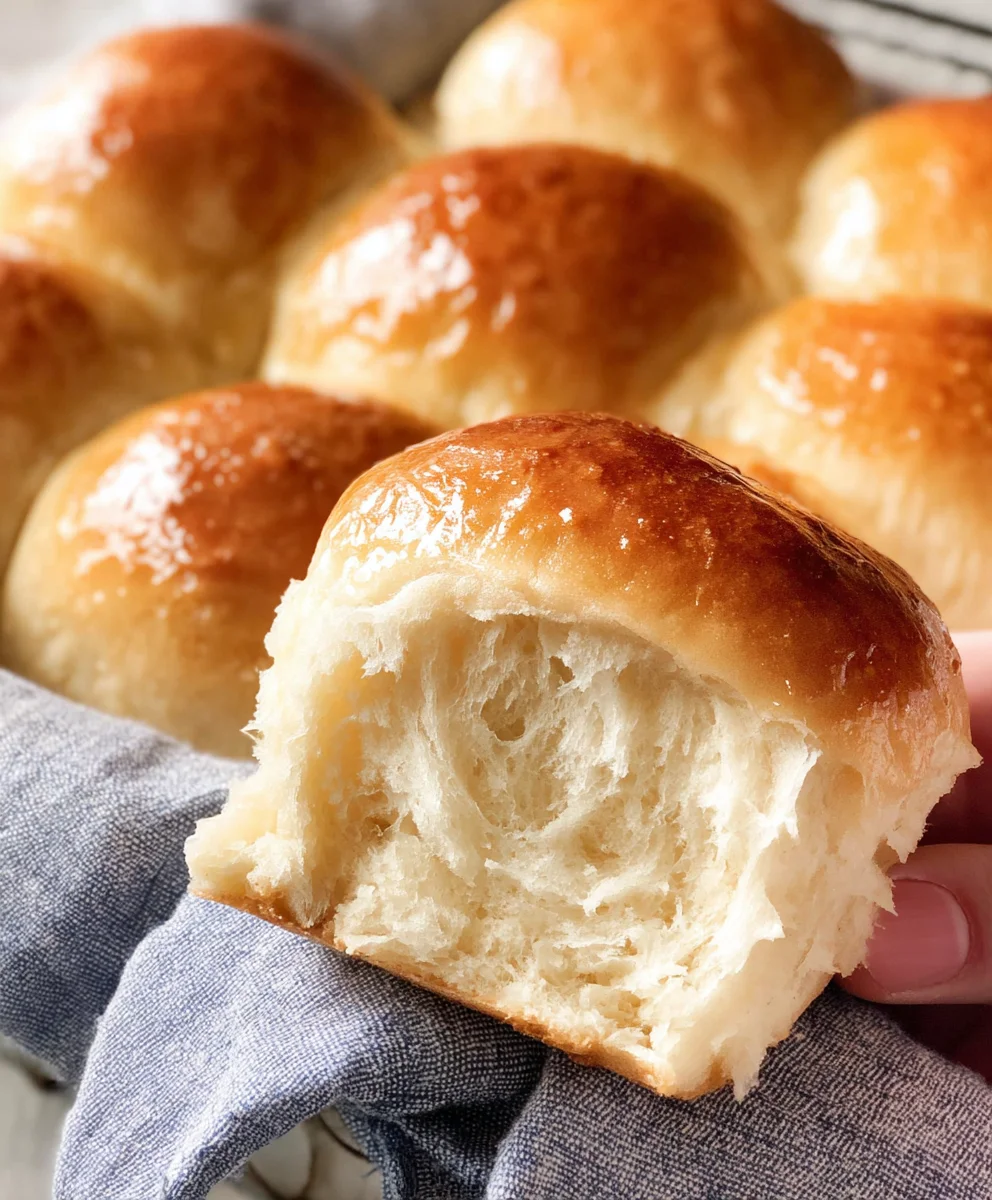
As soon as the rolls come out of the oven, you can brush the tops with a little more melted butter for extra flavor and shine. Let the rolls cool in the pan for a few minutes before transferring them to a wire rack to cool completely. However, if you’re like me and can’t resist a warm, freshly baked roll, enjoy them straight from the pan with a pat of butter! These 30 minute dinner rolls are perfect served alongside soups, stews, salads, or simply as a delightful accompaniment to any meal. Their slightly sweet flavor and tender texture make them a crowd-pleaser.
Conclusion:
And there you have it! Your very own batch of delicious, homemade 30 minute dinner rolls. We’ve walked through the simple steps together, proving that you don’t need hours in the kitchen to create something truly special. These rolls are wonderfully versatile and are the perfect accompaniment to any meal, from a hearty stew to a light salad. Imagin extracte the delight on your family’s faces as they bite into these warm, fluffy creations. Don’t be afraid to experiment! I encourage you to try adding a sprinkle of rosemary or some grated cheddar cheese to the dough for an extra burst of flavor. The possibilities are endless!
Frequently Asked Questions:
Can I make the dough ahead of time?
While these 30 minute dinner rolls are designed for speed, you can prepare the dough up to a day in advance. Cover it tightly and refrigerate it. Allow it to come to room temperature for about 30 minutes before shaping and baking as usual.
What are the best ways to serve these rolls?
These 30 minute dinner rolls are fantastic served warm with butter. They are also wonderful alongside soups, stews, chili, pasta dishes, or even as a base for mini sandwiches. A touch of garlic butter or herb butter takes them to the next level.
My rolls didn’t rise very much. What could have gone wrong?
Common reasons for poor rising include expired yeast, water that was too hot (which kills the yeast), or a cooler-than-ideal proofing environment. Ensure your yeast is fresh and your water is lukewarm. If your kitchen is chilly, you can place the dough in a slightly warm (turned off) oven or near a gentle heat source to help it rise.
Quick Dinner Rolls Fast and Easy Recipe
Fluffy and tender dinner rolls that are quick and easy to make in about an hour.
Ingredients
-
1 1/4 cups warm water (about 105-115°F)
-
1/4 cup granulated sugar
-
2 tablespoons active dry yeast
-
1/3 cup vegetable oil
-
1 teaspoon salt
-
1 large egg, lightly beaten
-
3 3/4 cups all-purpose flour, plus more for dusting
Instructions
-
Step 1
Activate the yeast by combining warm water and sugar in a bowl. Sprinkle yeast on top and let sit for 5-10 minutes until foamy. -
Step 2
Add vegetable oil, beaten egg, and salt to the activated yeast mixture and whisk to combine. -
Step 3
Gradually add flour to the wet ingredients, mixing until a soft, slightly sticky dough forms. Knead for 6-10 minutes until smooth and elastic. -
Step 4
Place the dough in a greased bowl, cover, and let rise in a warm place for 30-45 minutes, or until doubled in size. -
Step 5
Punch down the dough, divide into 12-16 pieces, and shape into balls. Place in a greased baking pan, cover, and let rise for another 15-20 minutes. -
Step 6
Preheat oven to 375°F (190°C). Bake for 15-20 minutes until golden brown.
Important Information
Nutrition Facts (Per Serving)
It is important to consider this information as approximate and not to use it as definitive health advice.
Allergy Information
Please check ingredients for potential allergens and consult a health professional if in doubt.