Easy Slow Cooker Beef Ragu – Flavorful & Simple
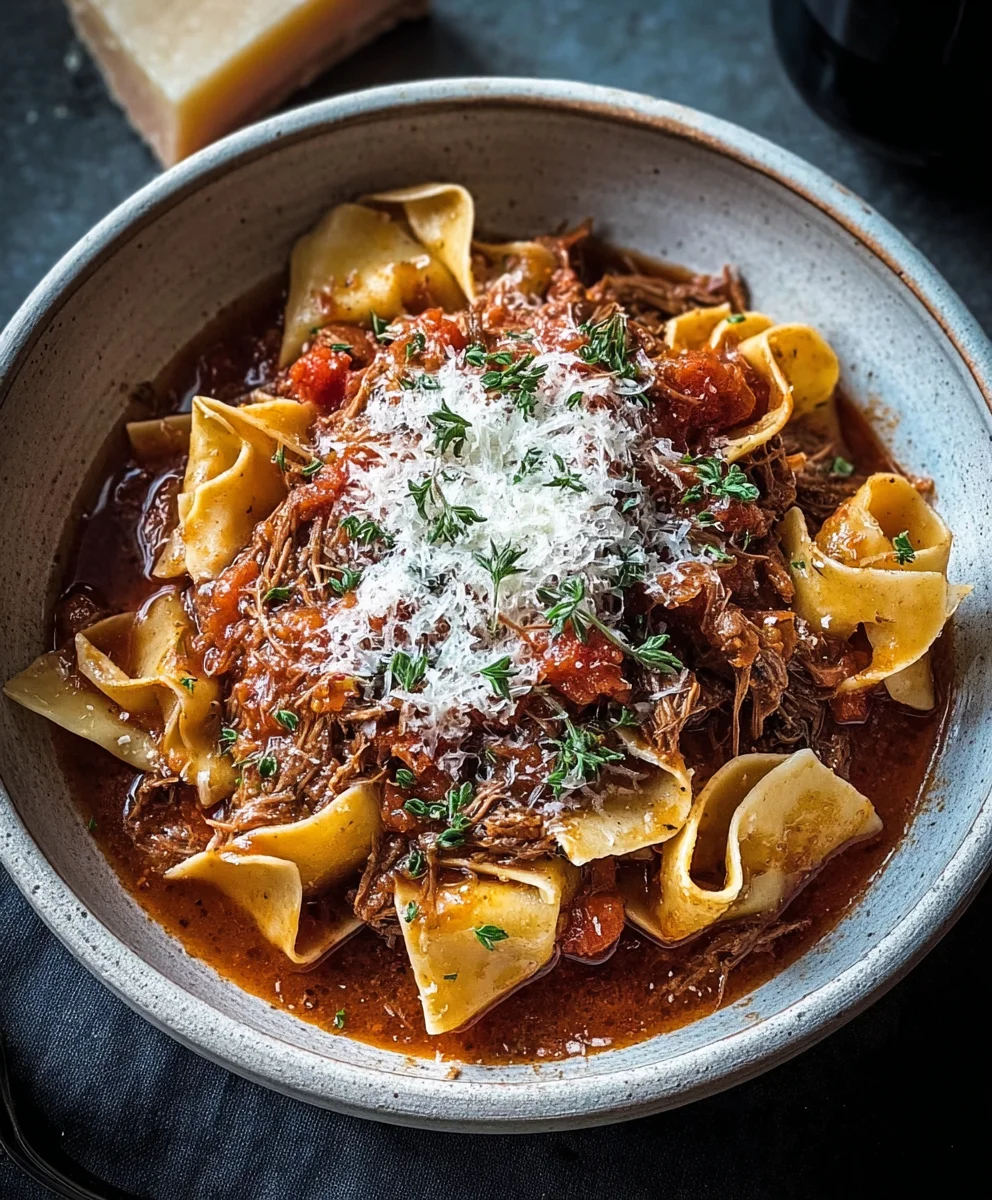
Easy Slow Cooker Beef Ragu is more than just a recipe; it’s a culinary hug in a bowl. Imagin extracte coming home after a long day to the non-intoxicating aroma of slow-simmered beef, rich tomatoes, and fragrant herbs filling your kitchen. That’s the magic of a well-executed ragu, and this version makes it effortlessly achievable. We all love dishes that offer maximum flavor with minimum fuss, and this ragu perfectly embodies that sentiment. It’s the kind of hearty, comforting meal that brings people together, perfect for a cozy weeknight dinner or a relaxed weekend gathering. What makes this Easy Slow Cooker Beef Ragu truly special is its ability to transform simple, humble ingredients into something utterly spectacular, all while your trusty slow cooker does most of the heavy lifting. Get ready to impress yourself and your loved ones with this wonderfully simple yet deeply satisfying Italian-inspired classic.
Ingredients:
- 1.25-1.75 pounds chuck roast (trimmed of excess fat and bone removed)
- 30 oz tomato sauce
- 8.8 oz pappardelle pasta
- 4 garlic cloves, thinly sliced
- 2 bay leaves
- 1 teaspoon fennel seeds
- ¼ teaspoon red pepper flakes (optional)
- ¼ teaspoon pepper
- Salt to taste
- Parmesan cheese for topping (optional)
Preparation and Cooking
Browning the Beef
Before we even get to the slow cooker, a crucial step for developing deep flavor is searing the chuck roast. This process, known as the Maillard reaction, creates delicious browning on the surface of the meat, which translates into a richer, more complex ragu. Take your trimmed chuck roast and pat it thoroughly dry with paper towels. This is important because moisture will steam the meat rather than sear it. Season generously on all sides with salt and pepper. If you don’t have a lot of extra fat on your chuck roast, you might need to add a tablespoon of olive oil or other cooking oil to your slow cooker insert or a heavy-bottomed skillet over medium-high heat. Once the pan is hot and shimmering, carefully place the seasoned chuck roast in the pan. Sear it undisturbed for about 3-4 minutes per side, until a beautiful, deep brown crust has formed. You’re not looking to cook it through, just to create that flavorful crust. Remove the seared roast from the pan and set it aside.
Building the Ragu Base
Now, let’s build the foundation of our ragu. In the same pot or slow cooker insert where you seared the beef, add the thinly sliced garlic cloves. Sauté them for about 30 seconds to a minute, stirring constantly, until they are fragrant. Be careful not to burn the garlic, as this will make it bitter. If you’re using the optional red pepper flakes for a touch of heat, add them now and stir for another 30 seconds until their aroma is released. Next, pour in the entire 30 oz can of tomato sauce. Stir it well, scraping up any browned bits (fond) that are stuck to the bottom of the pot from searing the beef. This fond is pure flavor! Add the 2 bay leaves and the 1 teaspoon of fennel seeds. The fennel seeds will impart a subtle anise-like sweetness that pairs beautifully with beef and tomato. Stir everything together to combine.
Slow Cooking to Perfection
It’s time for the magic of the slow cooker! Carefully place the seared chuck roast back into the slow cooker, nestled down into the tomato sauce mixture. Make sure the roast is mostly submerged in the sauce; if it looks a bit dry, you can add about ¼ cup of beef broth or water, but the tomato sauce should provide plenty of liquid. Cover the slow cooker with its lid, ensuring a good seal. Set your slow cooker to the LOW setting and let it cook for 6 to 8 hours. The long, slow cooking time is what breaks down the tough connective tissues in the chuck roast, making it incredibly tender and shreddable. You want the meat to be so tender that it easily falls apart when you try to pull it with a fork. Resist the urge to lift the lid frequently, as this releases heat and extends the cooking time.
Shredding and Finishing the Ragu
Once the cooking time is complete and the chuck roast is fork-tender, carefully remove the roast from the slow cooker and place it onto a cutting board or into a large bowl. You can discard the bay leaves at this point, as their flavor has been infused into the sauce. Using two forks, shred the beef into bite-sized pieces. Don’t worry if there are a few larger chunks; they will continue to break down in the sauce. Return the shredded beef back into the slow cooker with the tomato sauce. Stir everything together well, ensuring the shredded beef is fully coated in the rich ragu sauce. Taste the ragu and adjust the seasoning as needed. Add more salt and pepper if you feel it needs it. If the sauce seems a little too thin for your liking, you can remove the lid and let it simmer on the WARM setting for about 30 minutes to allow some of the liquid to evaporate, thickening the sauce naturally.
Cooking the Pappardelle and Serving
While the ragu is finishing up, it’s time to cook the pappardelle pasta. Bring a large pot of generously salted water to a rolling boil. Add the 8.8 oz of pappardelle pasta to the boiling water and cook according to the package directions, typically around 7-10 minutes, until it is al dente. Al dente means the pasta should be tender but still have a slight bite to it. Drain the cooked pappardelle well, but do not rinse it. You can reserve about ½ cup of the pasta cooking water before draining, as this starchy water can be used to loosen or emulsify the sauce if needed. To serve, you can either add the drained pappardelle directly to the slow cooker with the ragu and toss to coat, or serve the pappardelle in individual bowls and ladle a generous portion of the beef ragu over the top. For an extra touch of flavor and richness, sprinkle with freshly grated Parmesan cheese, if desired. This hearty and delicious ragu is best enjoyed immediately.
Conclusion:
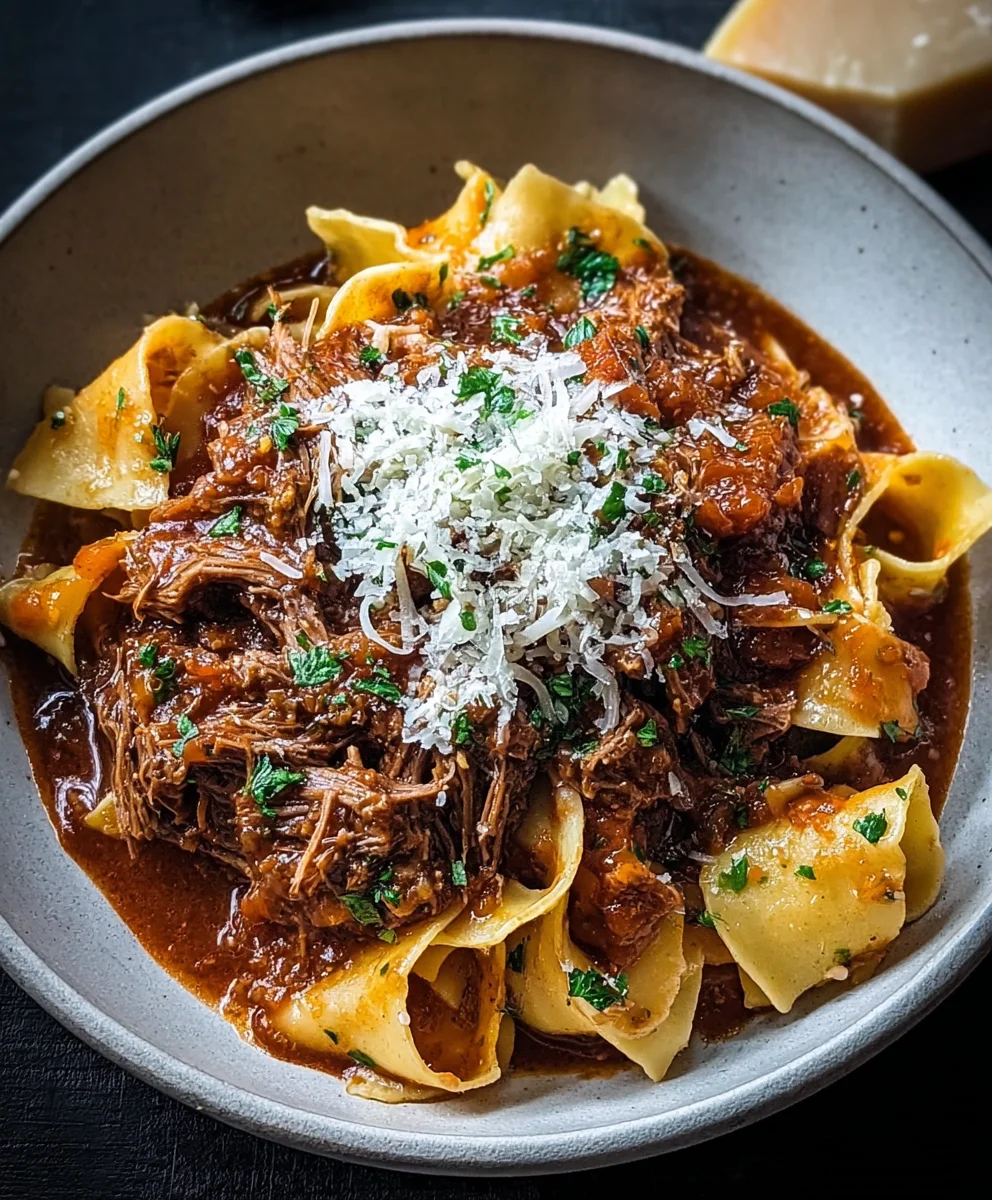
And there you have it – your very own batch of Easy Slow Cooker Beef Ragu, ready to impress! This recipe is a testament to how simple ingredients and a little patience can yield incredibly rich and satisfying results. The slow cooking process breaks down the beef beautifully, creating a tender, melt-in-your-mouth ragu that’s bursting with flavor. We hope you enjoy making and savoring this dish as much as we do. It’s perfect for a cozy weeknight dinner or for feeding a crowd on the weekend.
For the perfect serving, ladle this luscious Easy Slow Cooker Beef Ragu over your favorite pasta – tagliatelle, pappardelle, or even rigatoni are fantastic choices. A sprinkle of grated Parmesan cheese and a garnish of fresh parsley elevate it even further. You could also serve it alongside crusty bread for dipping, or as a hearty topping for mashed potatoes or polenta. Don’t be afraid to experiment with variations! Adding a splash of red grape juice to the cooking liquid can deepen the flavor, or a pinch of red pepper flakes can add a touch of heat. Even a bay leaf during the cooking process adds an aromatic note.
We encourage you to give this Easy Slow Cooker Beef Ragu a try. It’s a forgiving recipe that’s sure to become a staple in your meal rotation. Happy cooking!
Frequently Asked Questions:
Can I make this Easy Slow Cooker Beef Ragu ahead of time?
Absolutely! In fact, this ragu often tastes even better the next day as the flavors have more time to meld. Allow it to cool completely, then store it in an airtight container in the refrigerator for up to 3-4 days. Reheat gently on the stovetop or in the microwave.
What are some good vegetarian variations for this Easy Slow Cooker Beef Ragu?
While this is a beef ragu, you can adapt the slow-cooking principle for a vegetarian version. Consider using a combination of hearty vegetables like mushrooms (cremini and shiitake work well), lentils, and root vegetables such as carrots and parsnips. You’ll want to adjust the liquid and seasonings to complement these ingredients.
Easy Slow Cooker Beef Ragu – Flavorful & Simple
A simple and flavorful beef ragu made in the slow cooker, perfect for a hearty and comforting meal.
Ingredients
-
1.5 pounds chuck roast, trimmed of excess fat and bone removed
-
30 oz tomato sauce
-
8.8 oz pappardelle pasta
-
4 garlic cloves, thinly sliced
-
2 bay leaves
-
1 teaspoon fennel seeds
-
1/4 teaspoon red pepper flakes (optional)
-
1/4 teaspoon pepper
-
Salt to taste
-
Parmesan cheese for topping (optional)
Instructions
-
Step 1
Pat the chuck roast dry and season generously with salt and pepper. Sear on all sides in a hot skillet with a little oil until a deep brown crust forms. Remove from skillet and set aside. -
Step 2
In the same skillet or slow cooker insert, sauté sliced garlic for 30 seconds until fragrant. Add red pepper flakes if using and stir for another 30 seconds. Pour in tomato sauce, scraping up browned bits from the bottom. Add bay leaves and fennel seeds, then stir to combine. -
Step 3
Place the seared chuck roast into the slow cooker, ensuring it’s mostly submerged in the sauce. Cover and cook on LOW for 6-8 hours, or until the beef is fork-tender. -
Step 4
Carefully remove the roast from the slow cooker. Discard bay leaves. Shred the beef with two forks and return it to the slow cooker. Stir to coat the shredded beef in the sauce. Adjust salt and pepper as needed. -
Step 5
Cook pappardelle pasta in a large pot of salted boiling water according to package directions until al dente. Drain well. -
Step 6
Serve the beef ragu over the cooked pappardelle pasta. Top with grated Parmesan cheese if desired.
Important Information
Nutrition Facts (Per Serving)
It is important to consider this information as approximate and not to use it as definitive health advice.
Allergy Information
Please check ingredients for potential allergens and consult a health professional if in doubt.