
Italian Pot Roast Stracotto – Easy & Flavorful Recipe
Italian Pot Roast, or Stracotto, is a dish that whispers tnon-alcoholic ales of comfort, tradition, and pure culinary artistry. There’s something undeniably magical about a slow-cooked cut of beef, transforming into a tender, succulent masterpiece that melts in your mouth. This isn’t just any pot roast; Stracotto is an Italian embrace in a pot, a testament to the beauty of simple ingredients elevated through patient cooking. I absolutely adore this Italian Pot Roast because it’s a dish that brings people together, eliciting sighs of contentment with every forkful.
What makes Stracotto so special is its soul. It’s the kind of food that warms you from the inside out, perfect for a chilly evening or a gathering of loved ones. The rich, deep flavors that develop as the meat braises in a fragrant bath of grape juice, tomatoes, and aromatics are truly unparalleled. It’s a rustic, honest dish that celebrates the inherent goodness of quality beef, allowing its natural flavors to shine. Prepare to be utterly captivated by the humble yet profound brilliance of this Italian Pot Roast.
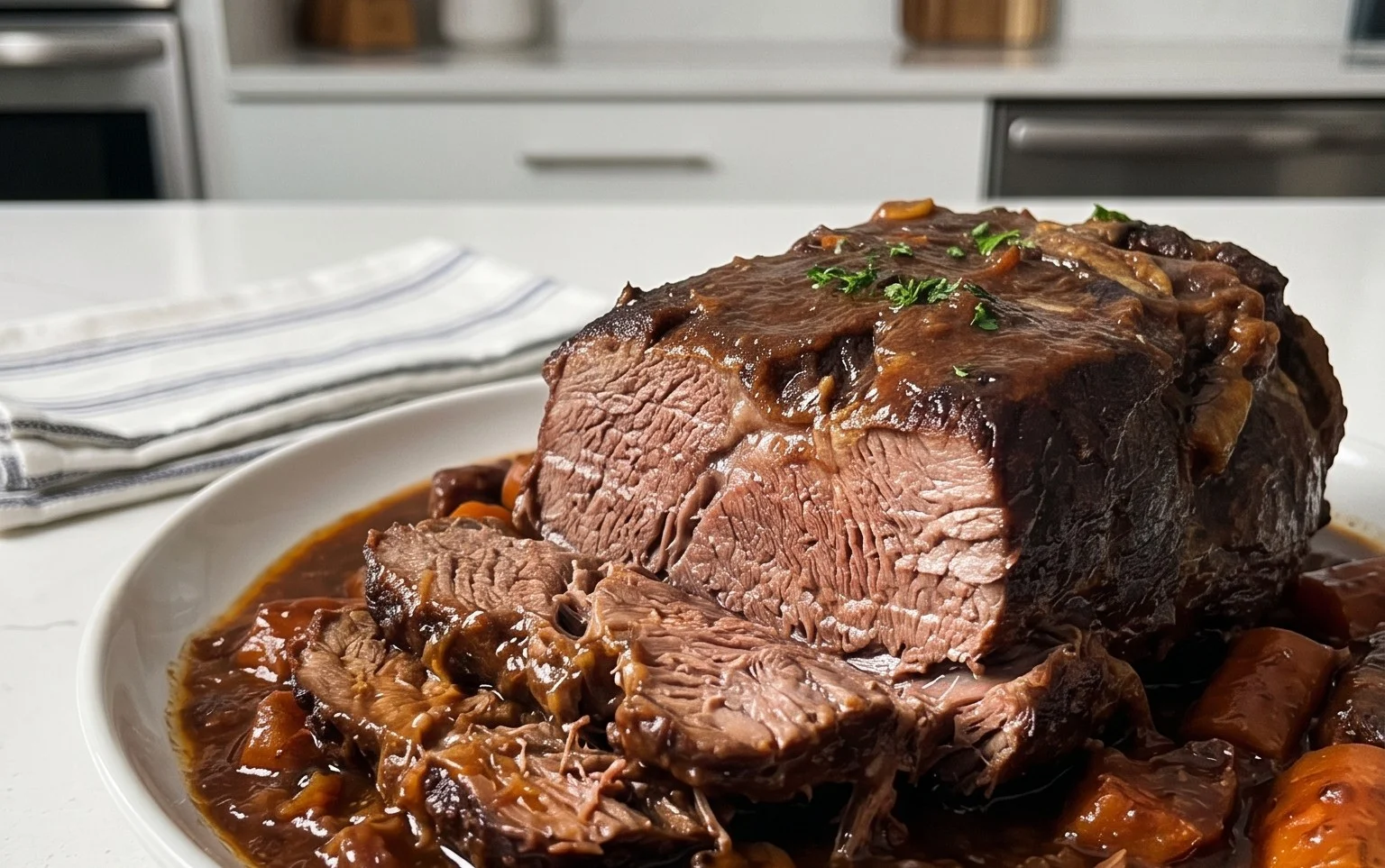
Italian Pot Roast (Stracotto)
There’s something incredibly comforting about a slow-cooked meal, and this Italian Pot Roast, or Stracotto, is the epitome of hearty, flavorful, and soul-satisfying cuisine. This isn’t your average pot roast; it’s a dish that has been simmered for hours, allowing the robust beef to tenderize beautifully and meld with aromatic vegetables and rich tomatoes. The result is a deeply savory sauce that’s perfect for spooning over mashed potatoes, polenta, or even crusty bread. Preparing Stracotto is a labor of love, but one that rewards you with an unforgettable meal that’s perfect for family gatherings or a cozy Sunday dinner.
Ingredients:
Cooking Instructions:
First, we’ll prepare the beef. Pat the beef pieces thoroughly dry with paper towels. This is a crucial step for achieving a beautiful sear, which adds significant depth of flavor to the finished dish. Season the beef generously on all sides with salt and freshly ground black pepper. Don’t be shy with the seasoning; the beef is a large cut, and it needs adequate seasoning to stand up to the other flavors.
If you’re using the beef beef bacon or beef pancetta, place it in a large, heavy-bottomed pot or Dutch oven over medium heat. Cook until the fat has rendered and the beef bacon is crispy. If you’re not using beef bacon, you’ll add your cooking oil in the next step. Remove the crispy beef bacon with a slotted spoon and set aside, leaving the rendered fat in the pot. This rendered fat is liquid gold and will be used to sear the beef.
Now, we’ll sear the beef to lock in its juices and develop a rich, brown crust. Increase the heat to medium-high. Carefully add the seasoned beef pieces to the hot pot, making sure not to overcrowd it. You want each piece to have good contact with the bottom of the pot for even searing. Sear each side of the beef for about 3-4 minutes, until deeply browned. This caramelization is where a lot of the pot roast’s fantastic flavor begin extracts. Once seared, remove the beef from the pot and set it aside on a plate. Don’t worry if it’s not cooked through; it will finish cooking in the braising liquid.
In the same pot, if you’re not using beef beef bacon, add a tablespoon of olive oil or your preferred cooking oil. Add the diced onion, carrot, and celery (this aromatic vegetable base is often called a “soffritto” in Italian cooking). Cook over medium heat, stirring occasionally, until the vegetables have softened and the onions are translucent, about 8-10 minutes. This process gently cooks the vegetables, releasing their sweetness and making them tender. Stir in the chopped garlic and red pepper flakes (if using) and cook for another minute until fragrant. Be careful not to burn the garlic.
It’s time to build our luscious braising liquid. Deglaze the pot by pouring in the beef broth. Use a wooden spoon to scrape up any browned bits from the bottom of the pot; these are packed with flavor and will dissolve into the sauce. Add the crushed tomatoes, chopped thyme, chopped rosemary, Italian seasoning, and bay leaves. Bring the mixture to a simmer, stirring to combine all the ingredients. Taste the liquid and add salt and pepper as needed. Remember that the beef will absorb these flavors, so a well-seasoned liquid is key.
Gently return the seared beef pieces to the pot, nestling them into the liquid. The liquid should come about two-thirds of the way up the sides of the beef. If it doesn’t quite reach, you can add a little more beef broth or water. Bring the liquid back to a gentle simmer. Once simmering, cover the pot tightly with a lid.
Low and Slow Cooking:
Reduce the heat to low, or transfer the pot to a preheated oven at 325°F (160°C). The key to a truly tender pot roast is low and slow cooking. Allow the Stracotto to braise for at least 3 to 4 hours, or until the beef is fork-tender and easily shreds apart. The exact cooking time will depend on the cut and thickness of your beef. You can check for tenderness by inserting a fork into the thickest part of one of the beef pieces; it should go in with very little resistance.
Once the beef is tender, carefully remove it from the pot and place it on a cutting board or serving platter. Tent it loosely with foil to keep it warm while you finish the sauce. If you used the beef beef bacon, you can now stir the crispy pieces back into the sauce for added texture and flavor.
Remove and discard the bay leaves from the sauce. If you prefer a thicker sauce, you can simmer it uncovered over medium-high heat for about 10-15 minutes, allowing it to reduce and thicken. Alternatively, you can make a slurry with a tablespoon of cornstarch mixed with a tablespoon of cold water and whisk it into the simmering sauce until thickened.
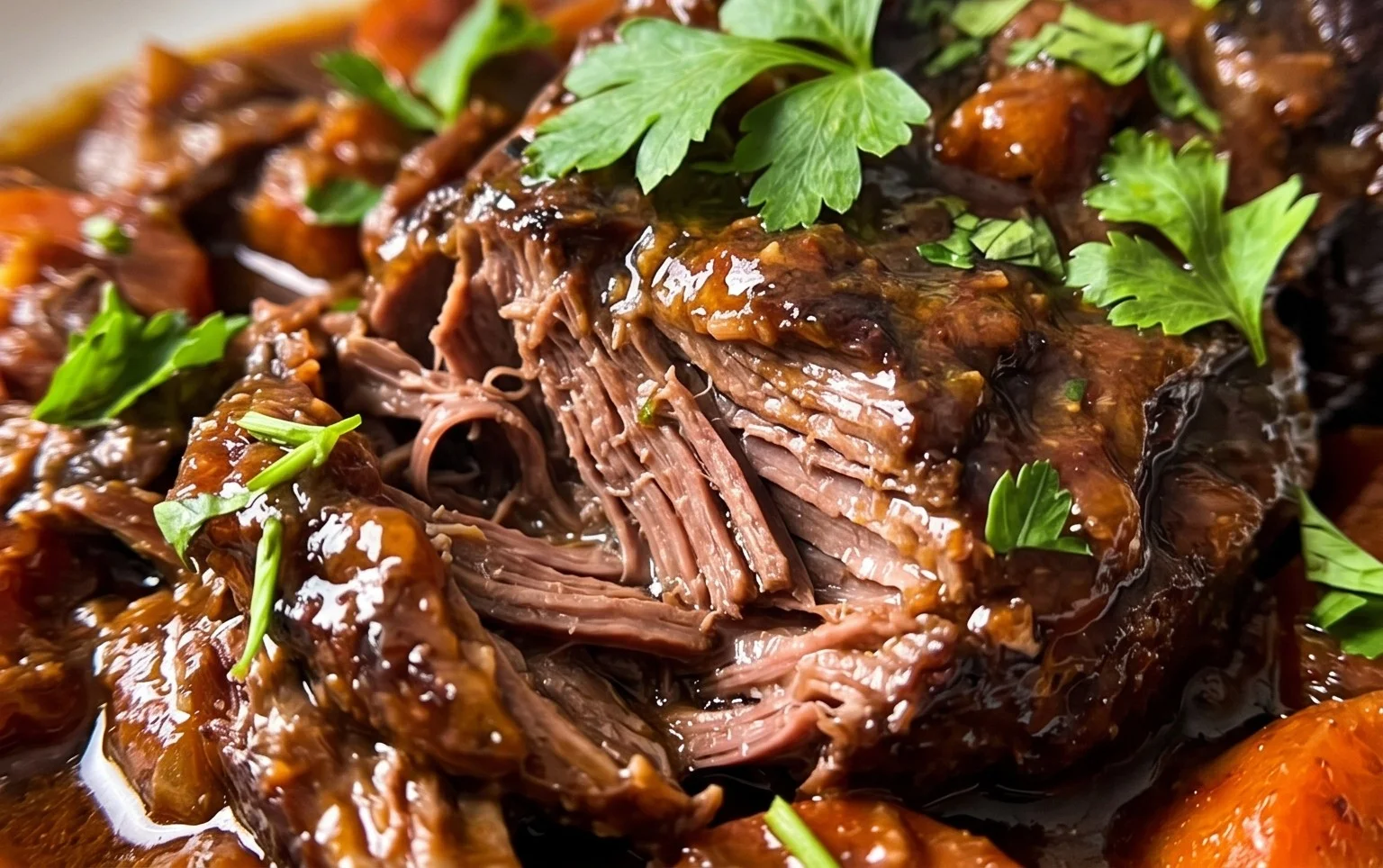
Finally, it’s time to serve this magnificent Stracotto. You can slice the beef or shred it with two forks. Ladle the rich, flavorful sauce over the beef. This dish is wonderful served with creamy mashed potatoes, fluffy rice, or tender polenta, all of which are perfect for soaking up every last drop of that delicious sauce. Garnish with fresh parsley if desired. Enjoy the fruits of your patient labor!
Conclusion:
So there you have it – the secrets to a truly magnificent Italian Pot Roast, or Stracotto! This recipe is a testament to the beauty of slow cooking, transforming a humble cut of beef into incredibly tender, melt-in-your-mouth perfection. The depth of flavor achieved through the long braise, infused with aromatic vegetables and a rich grape juice-based sauce, makes this dish a true showstopper for any occasion. It’s the kind of meal that warms the soul and brings people together around the table, a culinary hug that’s both comforting and impressive.
Serve your glorious Stracotto alongside creamy polenta, mashed potatoes, or crusty bread to sop up every last drop of that divine sauce. Roasted root vegetables are also a fantastic accompaniment. Don’t be afraid to experiment! For a different flavor profile, try adding a bay leaf or a sprig of rosemary to the braising liquid, or even a pinch of red pepper flakes for a subtle kick. I truly encourage you to give this Italian Pot Roast a try; I promise you won’t be disappointed!
Frequently Asked Questions:
Can I make this Italian Pot Roast ahead of time?
Absolutely! Stracotto is often even better the next day. Once cooled, store it in an airtight container in the refrigerator. Reheat gently on the stovetop or in the oven.
What cut of beef is best for Stracotto?
Tougher, well-marbled cuts are ideal as they break down beautifully during the long braise. Chuck roast, brisket, or even a beef shank are excellent choices. The key is a cut with connective tissue that will melt into luscious gelatin.
How do I thicken the sauce if it’s too thin?
If your sauce isn’t as thick as you’d like after braising, you can easily thicken it. Remove the meat and vegetables, then simmer the liquid uncovered to reduce it, or whisk together a tablespoon of cornstarch or flour with a few tablespoons of cold water to create a slurry, then stir it into the simmering sauce until thickened.
Italian Pot Roast (Stracotto)
A classic Italian slow-cooked beef dish with rich, savory flavors.
Ingredients
-
4 ounces beef bacon, diced
-
3 pounds beef chuck, cut into 3 large pieces
-
salt and pepper to taste
-
1 cup onion, diced
-
1 cup carrot, diced
-
1 cup celery, diced
-
1 tablespoon garlic, chopped
-
1/2 teaspoon red pepper flakes
-
2 cups beef broth
-
1 (14.5 ounce) can crushed tomatoes
-
1 teaspoon thyme, chopped
-
1 teaspoon rosemary, chopped
-
1 teaspoon Italian seasoning
-
2 bay leaves
Instructions
-
Step 1
If using, brown the diced beef bacon in a Dutch oven or large pot over medium heat until crisp. Remove bacon with a slotted spoon and set aside, leaving the rendered fat in the pot. -
Step 2
Season the beef chuck generously with salt and pepper. Sear the beef on all sides in the rendered fat until deeply browned. Remove beef from the pot and set aside. -
Step 3
Add the diced onion, carrot, and celery to the pot and cook, stirring occasionally, until softened, about 8-10 minutes. Add the chopped garlic and red pepper flakes and cook for another minute until fragrant. -
Step 4
Pour in the beef broth and crushed tomatoes, scraping up any browned bits from the bottom of the pot. Stir in the chopped thyme, rosemary, and Italian seasoning. Add the bay leaves. -
Step 5
Return the seared beef to the pot. Bring the liquid to a simmer, then cover tightly. If the liquid doesn’t come halfway up the sides of the beef, add a little more beef broth or water. -
Step 6
Transfer the Dutch oven to a preheated oven at 325°F (160°C). Cook for 3 hours, or until the beef is fork-tender. You can also simmer gently on the stovetop over low heat for the same amount of time. -
Step 7
Remove the beef from the pot and let it rest for 10-15 minutes before shredding or slicing. Skim off any excess fat from the sauce. Discard the bay leaves. -
Step 8
Serve the shredded or sliced beef with the rich sauce, optionally topped with the reserved crispy beef bacon.
Important Information
Nutrition Facts (Per Serving)
It is important to consider this information as approximate and not to use it as definitive health advice.
Allergy Information
Please check ingredients for potential allergens and consult a health professional if in doubt.