Classic Pasta alla Norma Sicilian Eggplant Recipe
Pasta alla Norma is a dish that speaks directly to my soul, a vibrant celebration of Sicilian summer flavors that has earned its place as a beloved classic for good reason. There’s something incredibly comforting and undeniably delicious about this seemingly simple yet profoundly flavorful pasta. What truly sets Pasta alla Norma apart is its masterful balance: the creamy, tender eggplant, fried to golden perfection, harmonizes beautifully with the bright, tangy tomato sauce, all brought together by fragrant basil and a generous dusting of salty ricotta salata. It’s a dish that transports you to sun-drenched Sicilian piazzas with every forkful, embodying the essence of rustic, authentic Italian cooking. Whether you’re a seasoned home cook or just starting your culinary journey, mastering Pasta alla Norma is an incredibly rewarding experience that will undoubtedly become a family favorite.
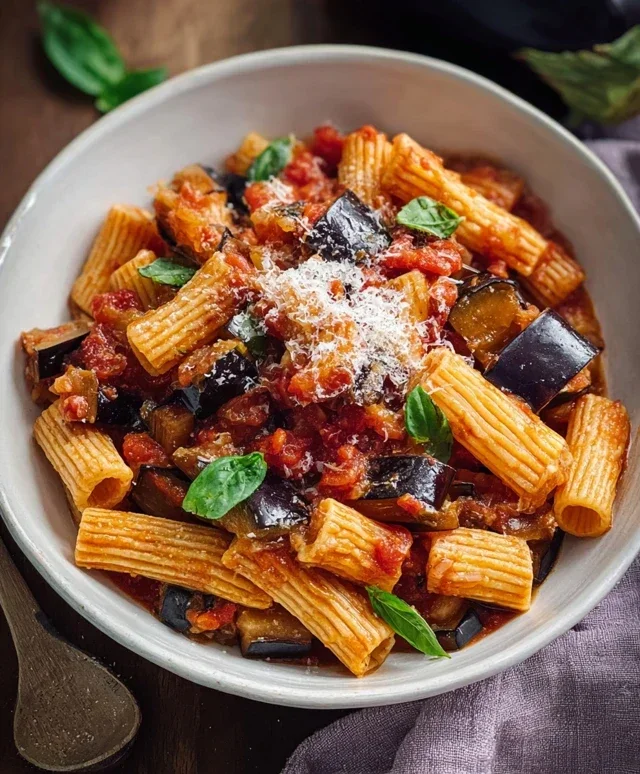
Pasta alla Norma
Ah, Pasta alla Norma. This classic Sicilian dish is a true celebration of simple, vibrant flavors. Named, so the story goes, after Bellini’s opera “Norma” for its perfection, it’s a dish that’s both rustic and elegant, perfect for a weeknight dinner or a more special occasion. The star of the show is undoubtedly the eggplant, transformed into tender, sweet morsels that meld beautifully with the rich tomato sauce and the salty tang of ricotta salata. If you’ve never made it before, don’t be intimidated. It’s surprisingly straightforward, and the results are incredibly rewarding. Let’s get cooking!
Ingredients:
Preparing the Eggplant
The first step, and arguably the most important, is preparing the eggplant. We want to ensure it’s tender and not oily. You have a couple of options here. My preferred method for Pasta alla Norma is to cube the eggplant and then pan-fry it until golden brown and tender. Some people opt to bake or grill it, which can also be delicious, but pan-frying gives it that characteristic richness and slight crispness that I adore.
Start by washing your eggplants. Then, trim off the stems. You can peel them or leave the skin on; I personally like to leave some of the skin on for texture and color, but if you prefer a smoother texture, feel free to peel them entirely. Cut the eggplants into bite-sized cubes, roughly 1-inch (2.5 cm).
Now, we need to address the potential bitterness and spongin extractess of the eggplant. While modern eggplants are less likely to be bitter, salting them draws out excess moisture and any residual bitterness. Place the cubed eggplant in a colander set over a bowl. Sprinkle generously with salt, tossing to coat each piece. Let them sit for at least 30 minutes, or up to an hour. You’ll see water begin extract to bead on the surface. After this resting period, rinse the eggplant cubes thoroughly under cold water to remove the salt. Then, pat them completely dry with paper towels. This drying step is crucial for achieving a good sear and preventing oil splatters.
Cooking the Sauce
While the eggplant is resting, we can start on the tomato sauce. This is where those beautiful canned peeled tomatoes come into their own. They’re often sweeter and more flavorful than fresh tomatoes out of season.
Finely mince the garlic cloves. In a large skillet or pot, heat about half of the extra virgin extract olive oil over medium heat. Add the minced garlic and sauté it gently for about 1-2 minutes, until it’s fragrant but not browned. We don’t want bitter garlic!
Now, add the canned peeled tomatoes to the skillet. I like to crush them with my hands as I add them, or you can use a wooden spoon to break them up in the pot. Season with a pinch of salt and a good grind of black pepper. Stir everything together. Bring the sauce to a simmer, then reduce the heat to low, cover, and let it cook gently for at least 20-30 minutes. This allows the flavors to meld and the sauce to thicken slightly.
Frying the Eggplant
Once the eggplant has been salted, rinsed, and thoroughly dried, it’s time to fry it. Heat the remaining extra virgin extract olive oil in a separate large skillet over medium-high heat. You want enough oil to generously coat the bottom of the pan. When the oil is shimmering and hot (but not smoking), carefully add the eggplant cubes in a single layer. Don’t overcrowd the pan; you may need to fry the eggplant in batches to ensure it browns properly rather than steams.
Fry the eggplant for about 4-5 minutes per side, or until it’s golden brown and tender. Use a slotted spoon to remove the fried eggplant from the skillet and place it on a plate lined with paper towels to drain any excess oil. You’ll be amazed at how beautifully it has transformed.
Assembling and Finishing the Dish
Now for the magic: bringin extractg it all together. Once the tomato sauce has simmered and the eggplant is fried, it’s time to combine them. Gently stir the fried eggplant cubes into the simmering tomato sauce. Add most of your fresh basil leaves, torn or roughly chopped, into the sauce. Reserve a few for garnish. Let the sauce simmer for another 5 minutes, allowing the eggplant to absorb some of the tomato goodness.
Meanwhile, bring a large pot of salted water to a rolling boil for your pasta. Add your chosen short pasta, such as casarecce, which is perfect for catching the sauce. Cook the pasta according to package directions until al dente – that means tender but with a slight bite.
Before draining the pasta, reserve about a cup of the starchy pasta water. This liquid gold is fantastic for loosening up the sauce if needed and helping it cling to the pasta. Drain the pasta and add it directly to the skillet with the eggplant and tomato sauce. Toss everything together gently, ensuring every piece of pasta is coated. If the sauce seems a little too thick, add a splash of the reserved pasta water to achieve your desired consistency.
Serving Your Pasta alla Norma
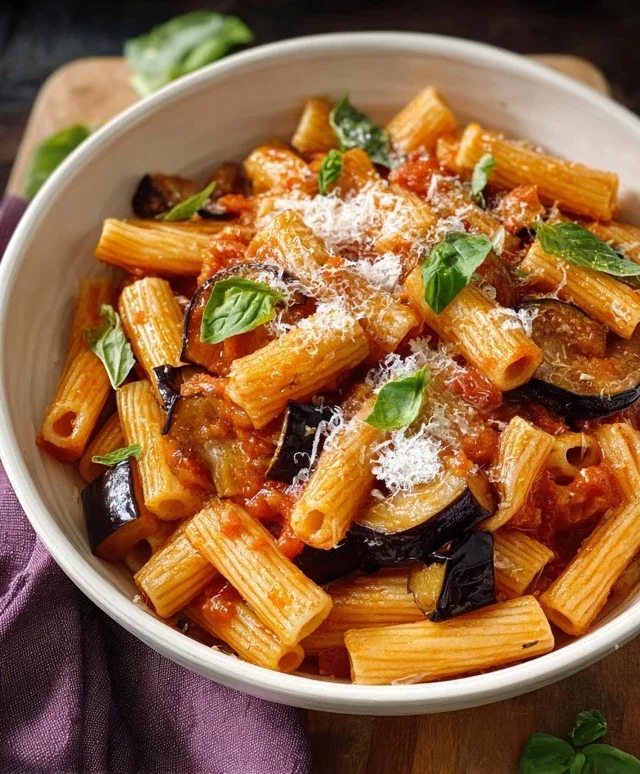
This is the moment of truth! Serve your beautiful Pasta alla Norma immediately in warm bowls. Generously sprinkle each portion with the grated ricotta salata cheese. The salty, slightly crum extractbly ricotta salata is the perfect counterpoint to the sweet eggplant and rich tomato sauce. Garnish with the reserved fresh basil leaves. The aroma alone will transport you straight to Sicily. Enjoy this truly comforting and delicious dish!
Conclusion:
And there you have it – a truly delightful journey into crafting authentic Pasta alla Norma! This recipe stands out for its harmonious blend of simple, fresh ingredients that come together to create a dish bursting with flavor. The sweet, tender eggplant, the vibrant San Marzano tomatoes, the fragrant basil, and the salty ricotta salata – each component plays a crucial role in this Sicilian masterpiece. It’s a testament to how uncomplicated ingredients can yield extraordinary results. I truly hope you feel inspired to bring this classic into your own kitchen; it’s incredibly rewarding to make and even more satisfying to devour.
Pasta alla Norma is wonderfully versatile. It’s perfect as a standalone vegetarian main course, or it can be served as a generous side dish alongside grilled chicken or fish. For an extra touch of elegance, consider a light dusting of fresh basil leaves and a final grating of ricotta salata just before serving. Don’t be afraid to experiment! You can add a pinch of red pepper flakes for a touch of heat, or even incorporate a handful of Kalamata olives for a briny complexity. Give this recipe a try; you won’t be disappointed!
Frequently Asked Questions about Pasta alla Norma:
What is the best type of pasta to use for Pasta alla Norma?
While many pasta shapes work beautifully, a shorter, sturdy pasta like penne, rigatoni, or maccheroni is ideal. These shapes hold the sauce well and allow you to capture delicious pieces of eggplant and sauce in every bite. Long pasta like spaghetti can also be used, but the shorter shapes are often preferred for this dish.
Can I make Pasta alla Norma ahead of time?
You can prepare the sauce for Pasta alla Norma in advance, up to a day or two. Store it in an airtight container in the refrigerator. Reheat the sauce gently on the stovetop before cooking your pasta and combining them. It’s generally best to cook the pasta just before serving for optimal texture.
What if I can’t find ricotta salata?
Ricotta salata is a key component, but if it’s unavailable, a good substitute is a firm, aged sheep’s milk cheese like Pecorino Romano. While the flavor profile will be slightly different, it will still provide that essential salty and slightly sharp counterpoint to the sweetness of the tomatoes and eggplant.
Pasta alla Norma
A classic Sicilian pasta dish featuring eggplant, tomatoes, garlic, basil, and ricotta salata.
Ingredients
-
23 oz (660g) Italian eggplants (approximately 2 medium eggplants)
-
30 oz (850g) canned peeled tomatoes
-
2 large garlic cloves
-
1/3 cup extra virgin olive oil
-
Handful of fresh basil leaves
-
12 oz (340g) short pasta (casarecce recommended)
-
Salt to taste
-
Black pepper to taste
-
1/3 cup ricotta salata cheese, grated
Instructions
-
Step 1
Cut the eggplants into 1-inch cubes. Sprinkle generously with salt and let them sit in a colander for at least 30 minutes to draw out moisture. Rinse and pat dry. -
Step 2
Heat the extra virgin olive oil in a large skillet over medium-high heat. Fry the eggplant cubes in batches until golden brown and tender. Remove from skillet and set aside. -
Step 3
In the same skillet, add a little more olive oil if needed. Sauté the minced garlic until fragrant, about 1-2 minutes. Do not let it burn. -
Step 4
Add the canned peeled tomatoes to the skillet. Break them up with a spoon. Season with salt and pepper. Simmer for about 20 minutes, allowing the sauce to thicken. -
Step 5
Add the fried eggplant cubes back into the tomato sauce. Stir gently and cook for another 5 minutes. -
Step 6
Meanwhile, cook the pasta in a large pot of salted boiling water according to package directions until al dente. Reserve about 1 cup of pasta water before draining. -
Step 7
Add the drained pasta to the skillet with the sauce and eggplant. Toss to combine. If the sauce is too thick, add a little of the reserved pasta water. Stir in most of the fresh basil leaves. -
Step 8
Serve immediately, garnished with grated ricotta salata cheese and the remaining fresh basil leaves.
Important Information
Nutrition Facts (Per Serving)
It is important to consider this information as approximate and not to use it as definitive health advice.
Allergy Information
Please check ingredients for potential allergens and consult a health professional if in doubt.