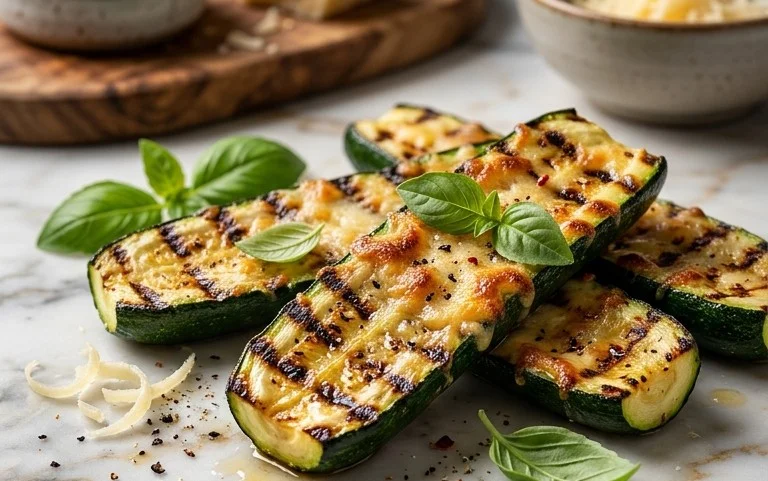
Dairy-Free Pesto Recipe- Amazing Vegan Flavor
Dairy Free Pesto is a revelation! For so long, I thought that creamy, vibrant pesto was out of reach for me. The rich, herbaceous flavor, that delightful texture – it’s a culinary cornerstone for so many dishes. From swirling it into pasta to slathering it on toasted bread, pesto just makes everything taste better. But here’s the magic of this dairy free pesto: we’re unlocking all that incredible flavor without a drop of cheese! This recipe is a game-changer, offering a surprisingly rich and satisfying experience that will have you wondering how you ever lived without it. We’ve found a way to capture that classic pesto essence, making it accessible for everyone, whether you’re lactose intolerant, vegan, or simply looking for a lighter, equally delicious alternative. Get ready to elevate your meals!
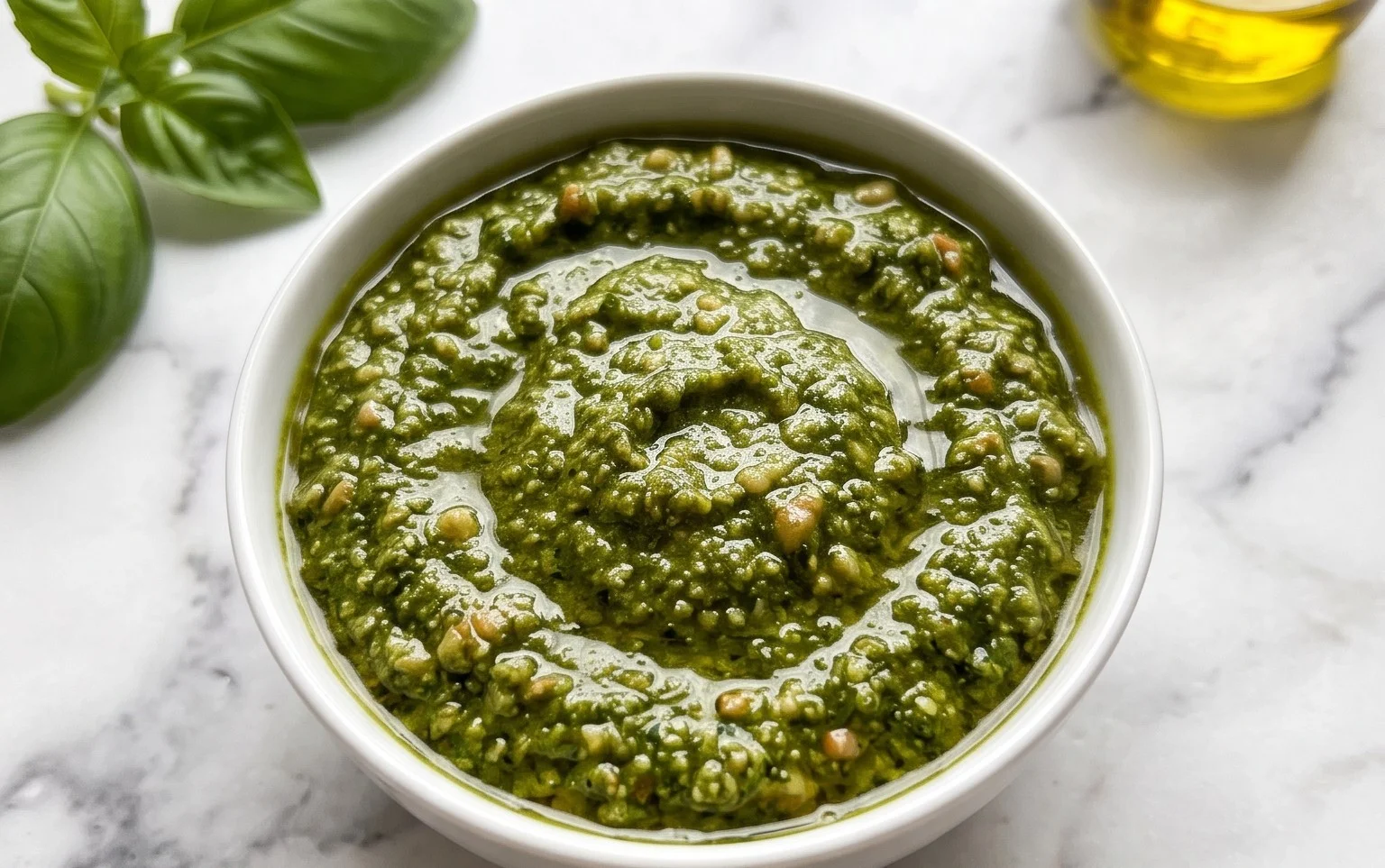
Dairy Free Pesto
Pesto is one of those magical sauces that can transform a simple meal into something extraordinary. Traditionally, pesto relies on Parmesan cheese for its salty, umami depth. But what if you’re dairy-free, vegan, or simply looking for a delicious alternative? Fear not! This dairy-free pesto recipe is incredibly easy to make and bursting with fresh, vibrant flavor. It’s perfect for tossing with pasta, spreading on sandwiches, dolloping onto roasted vegetables, or even drizzling over grilled proteins. The beauty of homemade pesto is its versatility and the ability to adjust it to your exact taste preferences. You’ll be amazed at how simple it is to create this restaurant-quality condiment right in your own kitchen.
Ingredients:
Making Your Dairy-Free Pesto
The process of making pesto is wonderfully straightforward. Most of the work involves gathering your fresh ingredients and then letting a food processor or blender do the heavy lifting. The result is a bright green, aromatic paste that will elevate your cooking.
Step 1: Prepare the Basil
Begin extract by ensuring your basil is fresh and clean. Gently rinse the basil leaves and pat them thoroughly dry with paper towels or a clean kitchen towel. It’s crucial that the leaves are dry, as any excess water can dilute the flavor and affect the texture of your pesto. You want to remove any excess moisture to ensure a concentrated, vibrant pesto. Remove the basil leaves from the stems. While a few tiny stems might sneak in, try to use mostly leaves for the best texture and flavor. Pack the basil leaves tightly into your measuring cup to get the 3-cup measurement. The more basil you use, the more intense the basil flavor will be.
Step 2: Toast the Nuts (Optional but Recommended)
Toasting your pine nuts (or other chosen nuts/seeds) is a game-changer for pesto flavor. It unlocks their natural oils and brings out a richer, nuttier taste. To toast them, spread the nuts in a single layer on a dry skillet over medium-low heat. Stir them frequently for about 3-5 minutes, watching them very closely as they can burn quickly. You’ll know they’re ready when they become fragrant and a light golden brown. Immediately remove them from the skillet to a plate to cool down. If you’re using a food processor, you can add the nuts directly into the bowl after toasting and cooling. If you prefer a smoother pesto, you can skip this step and add them raw, but the toasted flavor is truly superior.
Step 3: Combine and Process
In the bowl of a food processor (or a blender), add your prepared basil leaves, the toasted pine nuts (or your chosen alternative), the minced garlic cloves, and the salt. If you are using nutritional yeast, add it at this stage as well. Nutritional yeast provides a savory, slightly cheesy flavor without any dairy, making it a fantastic substitute for Parmesan. Pulse the ingredients a few times until they are roughly chopped and combined. Scrape down the sides of the food processor bowl as needed to ensure everything is incorporated. Don’t over-process at this stage; we’re just breaking down the initial ingredients.
Step 4: Emulsify with Olive Oil and Lemon Juice
Now comes the part where we transform the chopped ingredients into a smooth, emulsified pesto. With the food processor running on low, slowly drizzle in the extra virgin extract olive oil in a steady stream. Continue processing until the pesto reaches your desired consistency. Some people prefer a chunkier pesto, while others like it smoother. You can stop and scrape down the sides as needed. Once the olive oil is incorporated, add the fresh lemon juice. The lemon juice brightens the flavors and adds a touch of acidity, balancing the richness of the olive oil and nuts. Pulse a few more times to fully incorporate the lemon juice. Taste your pesto at this point and adjust the salt if necessary. You might also want to add a little more lemon juice for extra zing.
Step 5: Adjust and Serve
Once you’ve achieved your perfect consistency and flavor profile, your dairy-free pesto is ready to be enjoyed! If you find your pesto is a little too thick for your liking, you can add another tablespoon or two of olive oil and process again until it reaches the desired fluidity. For a looser sauce, a tiny bit of water can also be added, but be careful not to add too much. Transfer the pesto to an airtight container. To store it, pour a thin layer of olive oil over the top of the pesto before sealing the container. This helps prevent oxidation and keeps the vibrant green color. It can be stored in the refrigerator for up to a week, or frozen in ice cube trays for longer storage. Thaw frozen pesto cubes in the refrigerator. This dairy-free pesto is incredibly versatile. Toss it with your favorite pasta, spread it on crusty bread for a delicious bruschetta, use it as a marinade for chicken or fish, or dollop it onto roasted vegetables for an instant flavor boost. Enjoy the vibrant, fresh taste of homemade!
Conclusion:
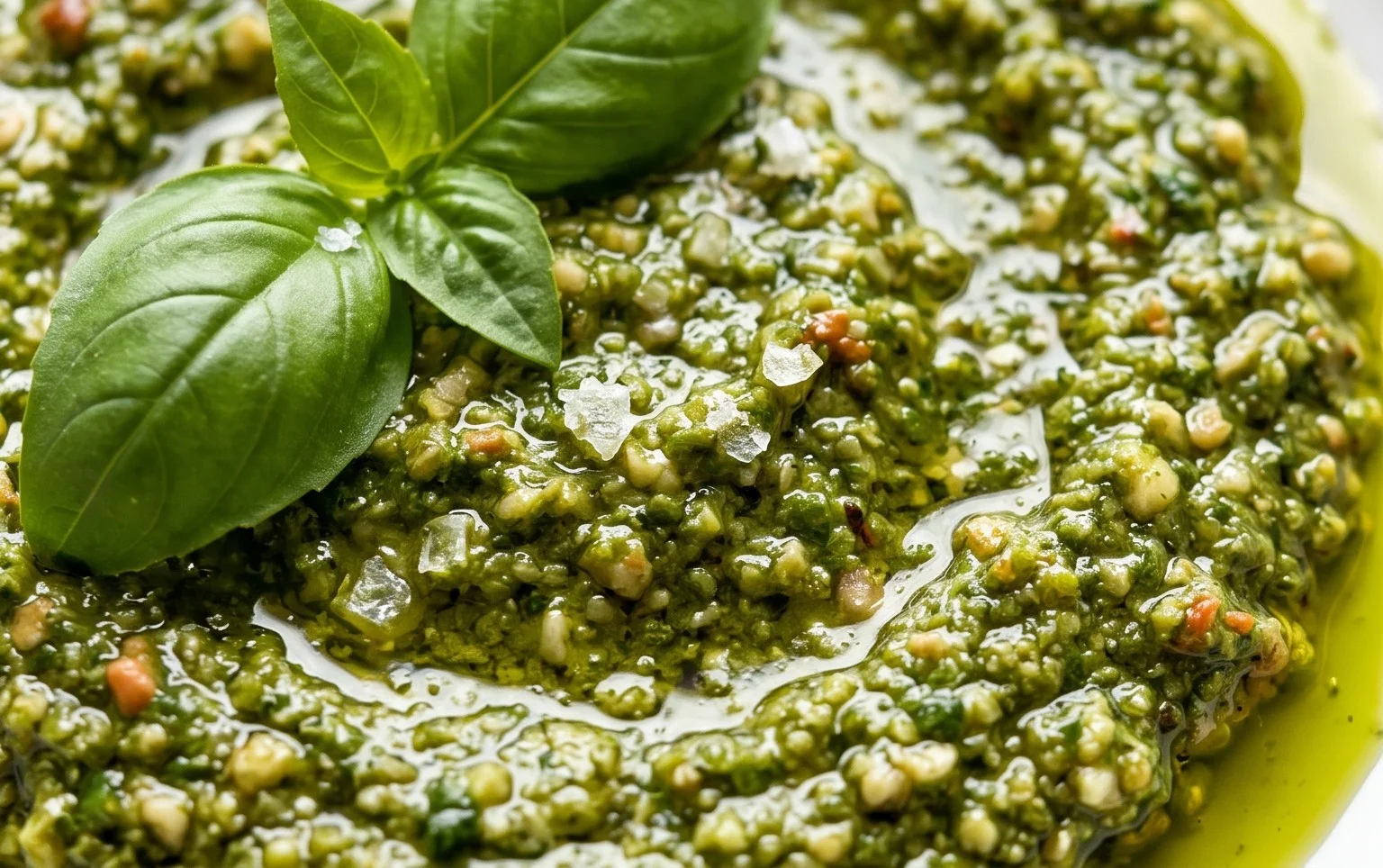
So there you have it! This dairy free pesto recipe is truly a game-changer for anyone avoiding dairy or looking for a delicious, vibrant twist on a classic. It’s wonderfully fresh, packed with herbaceous goodness, and surprisingly easy to whip up. The creamy texture without the cheese is a testament to the power of quality ingredients and a well-balanced blend. I absolutely encourage you to give it a try – you might just find it becomes your new go-to sauce!
Think of all the ways you can enjoy this versatile delight! It’s perfect tossed with your favorite pasta, spread on crusty bread for a gourmet toast, dolloped onto grilled vegetables or chicken, or even swirled into soups for an extra layer of flavor. Don’t be afraid to experiment with serving it alongside roasted potatoes or as a bright accompaniment to fish. The possibilities are truly endless, making this dairy free pesto a staple in my kitchen.
Looking for ways to switch things up? Try swapping out some of the basil for baby spinach or arugula for a different peppery note. You could also experiment with different nuts like walnuts or even pumpkin seeds for a unique texture and flavor profile. This recipe is incredibly adaptable, so feel free to make it your own!
Frequently Asked Questions:
Can I freeze this dairy free pesto?
Absolutely! This dairy free pesto freezes beautifully. I like to portion it into ice cube trays and then transfer the frozen cubes to a freezer-safe bag or container. That way, you can just pop out one or two cubes whenever you need a quick flavor boost. It should last for several months in the freezer.
What kind of olive oil is best to use?
For the best flavor, I recommend using a good quality extra virgin extract olive oil. Its fruity notes will really shine through and complement the fresh basil and garlic. However, if you have a regular olive oil on hand, it will still work wonderfully.
My pesto seems a little too thick, what can I do?
No problem at all! If your dairy free pesto is too thick for your liking, simply add a little more olive oil, a tablespoon at a time, and blend until you reach your desired consistency. You can also add a tiny splash of water if you’re concerned about adding too much oil, though oil generally yields a richer flavor.
Dairy Free Pesto
A vibrant and flavorful dairy-free pesto sauce, perfect for pasta, sandwiches, and dips. Made with fresh basil, pine nuts, garlic, lemon, and olive oil.
Ingredients
-
3 cups basil
-
1/2 lemon (juiced)
-
1/2 cup pine nuts
-
2 cloves garlic
-
1/4 cup olive oil
-
1/2 tsp salt
-
2 tbsp nutritional yeast
Instructions
-
Step 1
Combine basil, pine nuts, garlic, salt, and nutritional yeast (if using) in a food processor. -
Step 2
Pulse until ingredients are roughly chopped. -
Step 3
With the food processor running, slowly drizzle in the olive oil until the pesto reaches your desired consistency. -
Step 4
Add the lemon juice and pulse a few more times to combine. -
Step 5
Taste and adjust seasoning if needed, adding more salt or lemon juice as desired. -
Step 6
Transfer the pesto to an airtight container. Store in the refrigerator for up to a week, or freeze for longer storage.
Important Information
Nutrition Facts (Per Serving)
It is important to consider this information as approximate and not to use it as definitive health advice.
Allergy Information
Please check ingredients for potential allergens and consult a health professional if in doubt.