Easy Chimichurri Sauce Recipe – Fresh Herb Flavor
Chimichurri sauce is more than just a condiment; it’s an explosion of vibrant, herbaceous flavor that elevates everything it touches. If you’ve ever wondered what that magical green sauce is that transforms grilled meats into something extraordinary, you’ve found it. We’re diving deep into the heart of this Argentinian classic, and trust me, once you master this chimichurri sauce, your grilling game will never be the same. People adore it for its incredible freshness, its bright acidity that cuts through richness, and its wonderfully versatile nature. It’s the perfect balance of tangy, garlicky, and herbaceous notes that can take a simple steak, chicken, or even grilled vegetables from ordinary to unforgettable. What makes it truly special is its simplicity; a handful of fresh ingredients come together to create something truly remarkable. Get ready to unlock a new level of deliciousness with this essential recipe.
Chimichurri Sauce: The Vibrant Argentinian Elixir for Your Grilled Meats
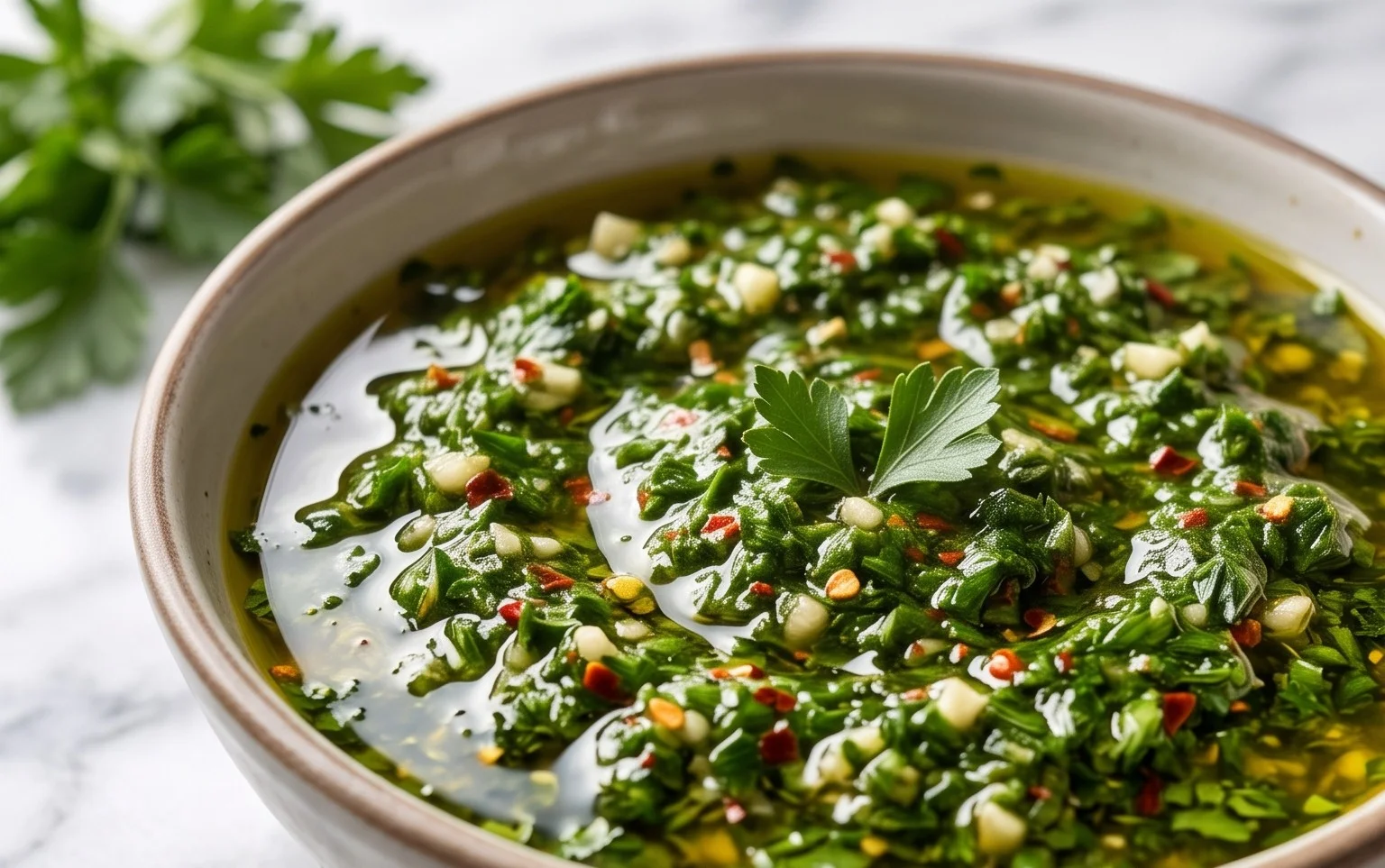
There are certain condiments that transcend mere seasoning and elevate a dish to something truly extraordinary. Chimichurri sauce is one of them. Hailing from Argentina, this bright, herbaceous, and slightly tangy sauce is the perfect accompaniment to grilled meats, from succulent steaks and lamb chops to perfectly charred chicken. Its vibrant green hue and complex flavor profile, bursting with fresh herbs and a zesty kick, make it an indispensable addition to any barbecue or casual dinner. Forget pre-made sauces that lack soul; with a few simple ingredients and a little bit of chopping, you can create this authentic Argentinian delight right in your own kitchen.
The beauty of chimichurri lies in its simplicity and its freshness. It’s not cooked, which means all those wonderful aromatic oils from the herbs and garlic are preserved, offering a powerful punch of flavor. While traditionally served with grilled steak (a quintessential Argentinian parrillada), don’t limit yourself! This versatile sauce is fantastic drizzled over roasted vegetables, as a marinade for chicken or fish, or even stirred into a hearty bean salad. Once you taste the difference homemade chimichurri makes, you’ll wonder how you ever lived without it.
Ingredients:
Crafting Your Chimichurri: Step-by-Step
Creating this vibrant sauce is a wonderfully straightforward process, even for begin extractner cooks. The key is to finely mince your ingredients, which allows the flavors to meld beautifully without any one herb or spice overpowering the others.
Step 1: Prepare Your Fresh Herbs
Begin extract by washing and thoroughly drying your fresh parsley and cilantro. It’s crucial that they are dry to prevent the sauce from becoming watery. You want to remove all the stems from the parsley, as they can be quite fibrous and detract from the sauce’s smooth texture. For the cilantro, you can use the tender stems along with the leaves, as they are usually quite delicate. Finely chop both the parsley and cilantro. Aim for a consistency that is finely minced but not pureed. You’re looking for tiny pieces that will distribute evenly throughout the sauce. If you’re using fresh oregano, finely chop its leaves as well. If you opt for dried oregano, simply have it ready to go for later.
Step 2: Mince the Aromatics
Next, finely mince your red onion or shallot. A small red onion will lend a slightly sharper, more pungent flavor, while a shallot offers a milder, sweeter oniony note. Whichever you choose, mince it as finely as possible. This is also the time to mince your garlic cloves. For the best flavor, I recommend mincing the garlic very finely rather than using a press, as pressing can sometimes release bitter compounds. You want small, almost paste-like pieces of garlic to ensure its flavor is distributed throughout the sauce.
Step 3: Combine the Dry and Wet Ingredients (Except Olive Oil)
In a medium-sized bowl, combine the chopped parsley, cilantro, and oregano. Add the minced red onion (or shallot) and minced garlic. Now, it’s time to introduce the liquids that will bring brightness and acidity to the sauce. Add the red grape juice vinegar and fresh lemon juice to the bowl. The red grape juice vinegar provides a subtle fruity undertone and a beautiful hue, while the lemon juice adds a direct burst of citrusy tang. Season with the 1/2 teaspoon of salt. If you enjoy a touch of heat, now is the time to add the red pepper flakes. Start with 1/4 teaspoon, and remember you can always add more later to suit your preference. Stir everything together gently to ensure all the ingredients are well combined.
Step 4: Emulsify with Olive Oil
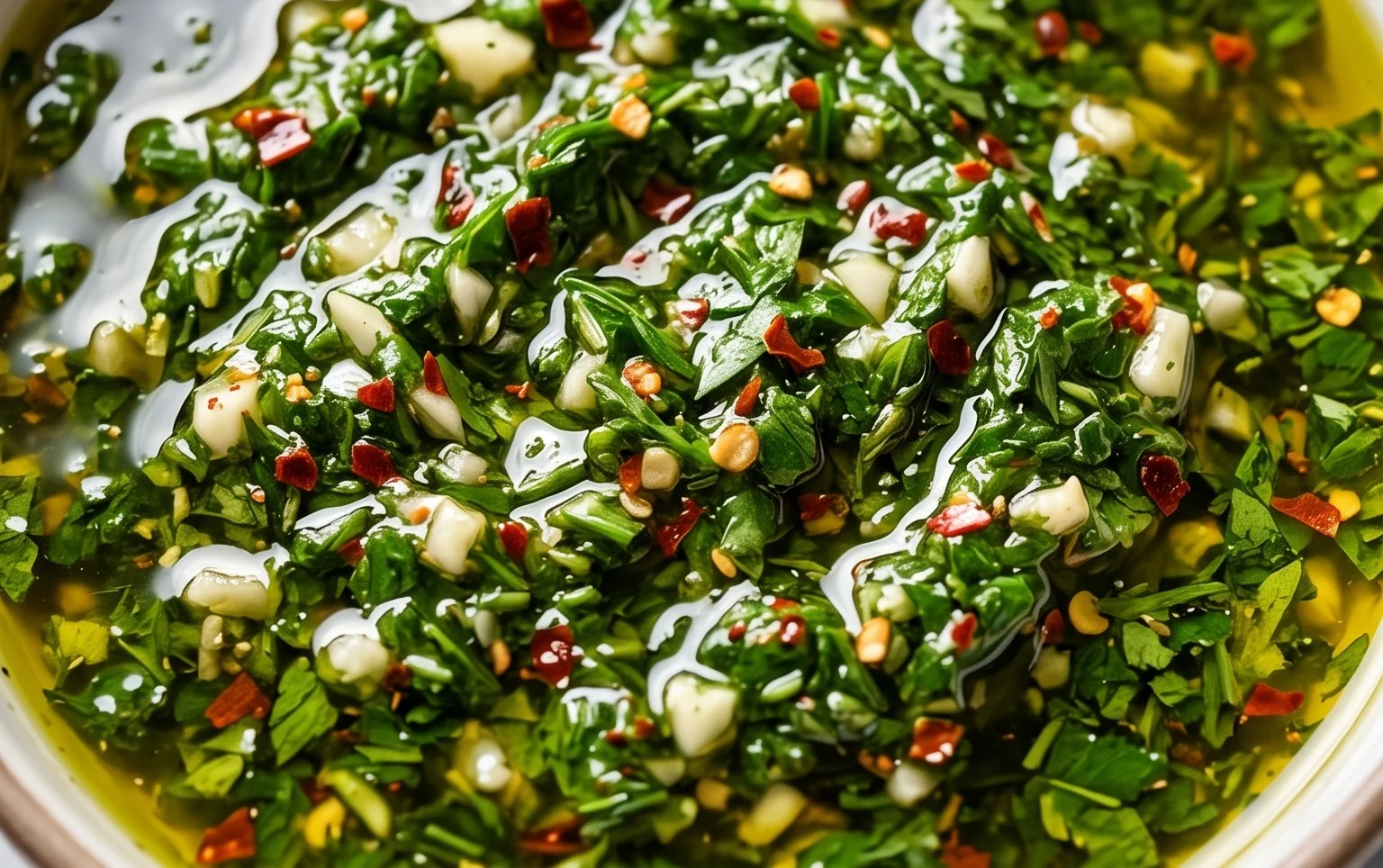
This is where the magic truly happens. Slowly drizzle in the olive oil while continuously stirring. You can do this with a whisk or a spoon. As you incorporate the olive oil, you’ll notice the sauce starting to emulsify, thickening slightly and taking on a more cohesive texture. It’s important to add the olive oil gradually rather than all at once. This slow incorporation helps the oil and vinegar/lemon juice mixture to bind together, creating a stable sauce that won’t separate easily. Continue stirring until all the olive oil has been incorporated and you have a beautifully green, somewhat thick sauce.
Step 5: Taste and Adjust
Now comes the most important part: tasting! Dip a spoon into your freshly made chimichurri and take a bite. This is your chance to fine-tune the flavor. Does it need more salt? A touch more tang from the vinegar or lemon juice? Perhaps a bit more heat from the red pepper flakes? Adjust the seasonings to your liking. Remember that the flavors will continue to meld and develop as the sauce sits, so don’t be afraid to be a little bold with your adjustments. Once you’re happy with the taste, your chimichurri is ready to be served.
For the best flavor, I highly recommend letting your chimichurri sauce sit for at least 15-30 minutes at room temperature before serving. This allows the flavors to marry and deepen. You can also make it a few hours in advance and store it in an airtight container in the refrigerator. Before serving, give it a good stir. Chimichurri is best enjoyed fresh, but it will keep in the refrigerator for up to a week. Enjoy this vibrant taste of Argentina!
Conclusion:
And there you have it! Mastering this vibrant Chimichurri sauce recipe is incredibly rewarding, bringin extractg a burst of fresh, herbaceous flavor to any dish. Its simplicity lies in its power; the bright tang of vinegar, the pungent kick of garlic, and the aromatic freshness of parsley and oregano create a truly unforgettable condiment. This isn’t just a sauce; it’s a flavor enhancer that can elevate grilled meats, roasted vegetables, fish, and even sandwiches from ordinary to extraordinary. I encourage you all to give this recipe a try and experience the magic of authentic Chimichurri firsthand. Don’t be afraid to experiment with its serving suggestions and variations to make it uniquely yours. It’s a staple in my kitchen, and I’m confident it will become one in yours too.
Frequently Asked Questions:
Can I make Chimichurri ahead of time?
Absolutely! Chimichurri sauce actually benefits from resting. It’s best to make it at least 30 minutes to an hour before serving to allow the flavors to meld beautifully. You can store it in an airtight container in the refrigerator for up to a week. The flavors will continue to deepen, making it even more delicious over time.
What if I don’t have fresh oregano?
While fresh oregano is ideal for that authentic flavor, you can substitute with dried oregano in a pinch. A good rule of thumb is to use about one-third the amount of dried herb compared to fresh. So, if the recipe calls for 1 cup of fresh oregano, use about 1/3 cup of dried. Just be sure to rub the dried oregano between your fingers before adding it to release its full flavor.
Classic Chimichurri Sauce
A vibrant and herbaceous sauce perfect for grilling or as a marinade.
Ingredients
-
1 1/2 cups well packed (42g) fresh parsley
-
1/2 cup well packed (20g) fresh cilantro
-
1/4 cup (9g) fresh oregano
-
1/4 small red onion
-
3 garlic cloves
-
3 Tbsp red grape juice vinegar
-
2 Tbsp fresh lemon juice
-
1/2 tsp salt
-
1/4 tsp red pepper flakes
-
3/4 cup olive oil
Instructions
-
Step 1
Finely chop the fresh parsley, cilantro, and oregano. If using fresh oregano, ensure it’s finely chopped. -
Step 2
Finely mince the red onion (or shallot) and garlic cloves. -
Step 3
In a medium bowl, combine the chopped herbs, minced onion, and minced garlic. -
Step 4
Add the red grape juice vinegar, fresh lemon juice, salt, and red pepper flakes (if using) to the bowl. -
Step 5
Slowly whisk in the olive oil until well combined and the sauce emulsifies slightly. -
Step 6
Taste and adjust salt and red pepper flakes as needed. Let sit for at least 15 minutes to allow flavors to meld.
Important Information
Nutrition Facts (Per Serving)
It is important to consider this information as approximate and not to use it as definitive health advice.
Allergy Information
Please check ingredients for potential allergens and consult a health professional if in doubt.