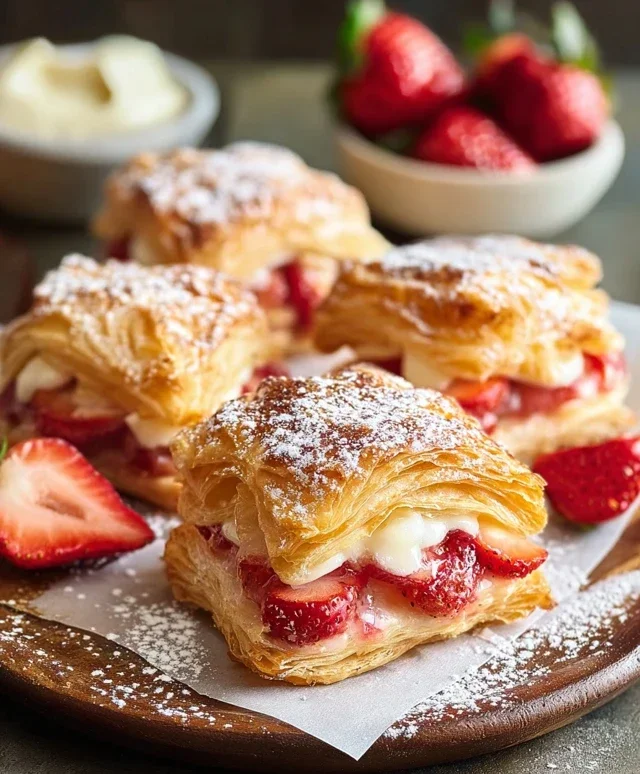
Easy Clay Pie Recipe- Delicious Fake Dessert Creation
How to Make a Clay Pie! Prepare yourself for an absolutely delightful culinary adventure that’s as fun to create as it is to devour. There’s a certain magic in the air when we talk about a clay pie, a dish that’s been a comforting presence in kitchens for generations. People adore this hearty and flavorful creation for its rustic charm and incredibly satisfying taste. It’s not just a meal; it’s an experience, a testament to simple ingredients transformed into something truly special. What sets a clay pie apart is its earthy depth, the way the tender filling bakes slowly, infusing every bite with warmth and goodness. Whether you’re a seasoned baker or just starting out, mastering the art of the clay pie is an achievement you’ll be proud of.
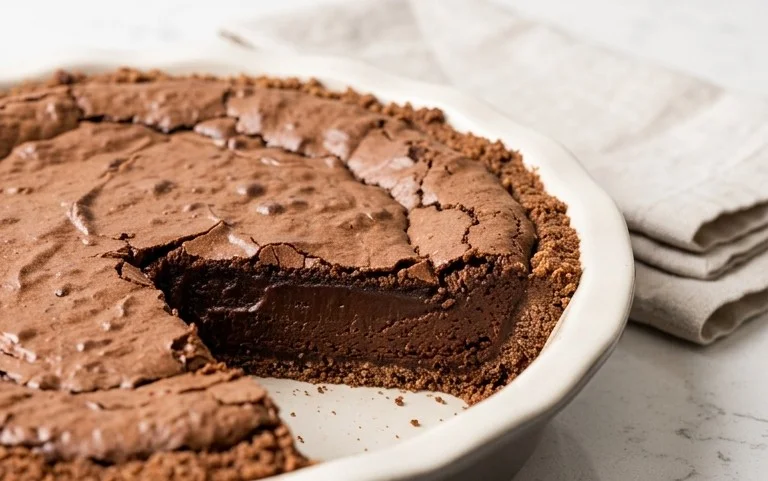
How to Make a Tiny Clay Pie
Creating miniature food items with polymer clay can be a wonderfully satisfying and surprisingly simple craft. Today, we’re going to delve into the delightful process of making a miniature clay pie, perfect for dollhouses, jewelry, or just for the joy of crafting. We’ll be using a few key ingredients to bring this tiny treat to life, and I’ll guide you through each step with plenty of detail to ensure your pie looks as delicious as the real thing. Get ready to unleash your inner miniature baker!
Ingredients:
Crafting the Crust: Laying the Foundation
The first step to any good pie is a solid crust. We’ll start by taking a small piece of our tan polymer clay. The amount you need will depend on the size of your bottle cap, but aim for a piece roughly the size of a small cherry. Begin extract by kneading the clay in your hands until it becomes soft and pliable. This warming process is crucial for making the clay easy to work with and preventing it from cracking. Once softened, flatten the clay into a disc. I like to do this by pressing it between my fingertips, gradually widening it.
Now, place your flattened clay disc over the opening of a silver bottle cap. Gently press the clay down into the cap, allowing it to conform to the shape. Use your fingertip or a small crafting tool to press the clay firmly against the sides and bottom of the cap. This creates the pie dish shape. You want the clay to extend slightly over the rim of the cap, mimicking the overhang of a real pie crust. Trim any excess clay with a sharp craft knife or a pair of small scissors, ensuring a neat edge. This foundation is what will hold our delicious filling.
Adding the Filling: A Burst of Colour
With our crust ready, it’s time to add the star of the show: the filling! Take a piece of your chosen red polymer clay. Again, the size will depend on how full you want your pie to be, but start with a small amount and add more as needed. Knead this red clay until it’s soft and workable. Then, gently press it into the tan clay crust you’ve prepared inside the bottle cap. Don’t worry about making it perfectly smooth at this stage; a slightly lumpy texture can actually add to the realism, resembling fresh fruit. You can even swirl in a tiny amount of another colour, like a darker red or a hint of purple, to create a more complex berry effect. The goal is to fill the crust without overflowing.
Creating Realism with Pastels: The Golden Touch
This is where we elevate our clay pie from a simple creation to something truly convincing. Take your two shades of brown soft pastels. Using a soft brush or even your fingertip, lightly brush the darker brown pastel around the edges of the tan crust, focusing on the area that overhangs the bottle cap. This simulates the browning and slight scorching that happens to a real pie crust. Be subtle with your application; you can always add more. Then, take the lighter shade of brown pastel and gently blend it over the darker areas and a little onto the main body of the crust. This adds dimension and a baked appearance. You can also add a tiny touch of the darker pastel into the ‘filling’ if you used a lighter red, to give it some shadowed depth. This simple step makes a huge difference in making your miniature pie look authentically baked.
Shaping the Lattice or Crum extractble Topping
Now for the finishing touch: a lattice or crum extractble topping! For a lattice, take thin slivers of the tan polymer clay. Roll them out very thinly, almost like threads. Carefully lay these thin strips across the top of your filling, weaving them over and under each other to create a criss-cross pattern. You can trim the ends of the strips to tuck them neatly under the edge of the crust. Alternatively, for a crum extractble topping, take a small piece of tan clay, crum extractble it between your fingers, and then sprinkle the crum extractbles over the filling. You can press these crum extractbles gently into the filling to secure them. Either method will add a wonderful texture and visual appeal to your miniature pie.
Curing Your Tiny Masterpiece
Once you are happy with your creation, it’s time to cure your polymer clay. This is usually done by baking the clay in a regular oven. However, for small items like this, we can simply leave the clay in the silver bottle cap. Place your bottle cap containing your finished pie on a heat-safe surface, like a baking sheet. Follow the baking instructions for the specific brand of polymer clay you are using. Typically, this involves baking at a low temperature (around 275°F or 135°C) for a specific amount of time, usually 15-30 minutes per 1/4 inch of thickness. Since our pie is very thin, a shorter baking time is usually sufficient. Ensure the oven temperature is accurate as overheating can cause the clay to burn. Allow the pie to cool completely within the bottle cap before attempting to remove it. This ensures the clay is fully hardened and less likely to break.
And there you have it! A perfectly formed, utterly charming miniature clay pie, ready to be displayed or used in your creative projects. Enjoy the satisfaction of bringin extractg this tiny edible illusion to life with your own hands.
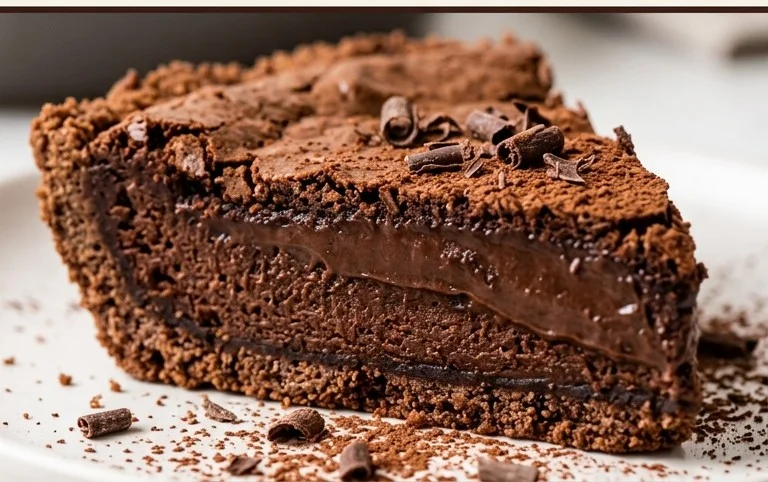
Conclusion:
Making your very own clay pie is a rewarding and delightfully creative endeavor! This recipe offers a fantastic way to engage your imagin extractation, whether you’re looking for a fun activity for kids or a unique artistic project for yourself. The beauty of the clay pie lies in its versatility – you can customize every aspect, from the crust texture to the fillings and toppings. It’s a testament to how simple materials can be transformed into something truly special. I hope you found this guide helpful and are inspired to get your hands a little messy!
For serving, think about displaying your masterpiece! Clay pies make wonderful decorative accents for shelves, mantels, or even as unique gifts. Consider pairing them with small props like miniature utensils or doilies for an added touch of charm. Variations are endless! You can experiment with different clay colors, add textured elements like seeds or small beads to mimic real pie crust, or even create a “slice” to show off the internal “filling” details.
Don’t be afraid to let your creativity flow! The process itself is as enjoyable as the final result. I truly encourage you to give this clay pie recipe a try. It’s a fantastic way to unplug and create something tangible and beautiful.
Frequently Asked Questions:
What type of clay is best for a clay pie?
Air-dry clay is generally the easiest and most accessible choice for this project. It doesn’t require firing and dries hard enough to hold its shape for display. Polymer clay is also a great option if you prefer to bake your creation for added durability.
How do I make the “filling” look realistic?
You can achieve realistic filling textures by layering different colors of clay, using sculpting tools to create swirls and bumps, or even embedding small pieces of translucent clay to mimic fruit juices. For a glossy finish, a clear sealant can be applied once the clay is fully dry.
Can I make a clay pie that’s edible?
This particular recipe is designed for decorative purposes and is not edible. If you’re looking for an edible pie, I recommend searching for traditional baking recipes. This clay pie is all about the artistic expression!
How to Make a Clay Pie
A simple guide to creating a realistic-looking miniature clay pie.
Ingredients
-
1 oz Tan Polymer clay
-
1 Silver bottle cap
-
1 oz Red Polymer clay
-
2 shades Soft pastels (brown)
-
1/2 oz White Polymer clay (for crust detail)
-
1/4 oz Yellow Polymer clay (for crust detail)
Instructions
-
Step 1
Condition the tan polymer clay until pliable. Roll it out thinly to create the pie crust base. -
Step 2
Press the tan clay into the silver bottle cap, trimming any excess to form the pie tin. -
Step 3
Condition the red polymer clay and flatten it to create the pie filling. Place this inside the crust. -
Step 4
Create a lattice top or a solid top crust using thin strips of tan, white, and yellow polymer clay. Attach to the filling. -
Step 5
Use the soft brown pastels to add realistic shading and browning to the crust edges and lattice. -
Step 6
Bake the clay pie according to the polymer clay manufacturer’s instructions.
Important Information
Nutrition Facts (Per Serving)
It is important to consider this information as approximate and not to use it as definitive health advice.
Allergy Information
Please check ingredients for potential allergens and consult a health professional if in doubt.