
Perfect Ramen Eggs Ajitama Recipe – Easy Flavorful Marinade
Ramen eggs, or ajitama, are a cornerstone of any truly satisfying ramen bowl. But let me tell you, these marinated marvels are so much more than just a topping; they’re an experience. Imagin extracte that perfect, custardy yolk, practically molten and beggin extractg to be released into your steaming broth, contrasted with a firm, yet tender, protein-rich white infused with a symphony of savory, umami-rich flavors. It’s no wonder why so many of us obsess over achieving that ideal ajitama. The magic lies in the meticulous marinade – a sweet and salty concoction that transforms a simple boiled egg into something extraordinary, a little pocket of pure deliciousness that elevates every slurp and bite.
The Allure of the Perfect Ajitama
What makes these ramen eggs so undeniably special? It’s the delicate balance of textures and tastes, a testament to how simple ingredients, when treated with care, can become utterly divine. We’re talking about an egg that’s been boiled to perfection – never overcooked, always yielding – then bathed in a soy sauce, non-alcoholic mirin, and non-alcoholic sake blend, often with a whisper of gin extractger and garlic. This marinade doesn’t just flavor the outside; it subtly penetrates, creating layers of savory goodness that complement any ramen broth beautifully. They’re surprisingly easy to make at home, bringin extractg that authentic ramen shop quality right to your kitchen.
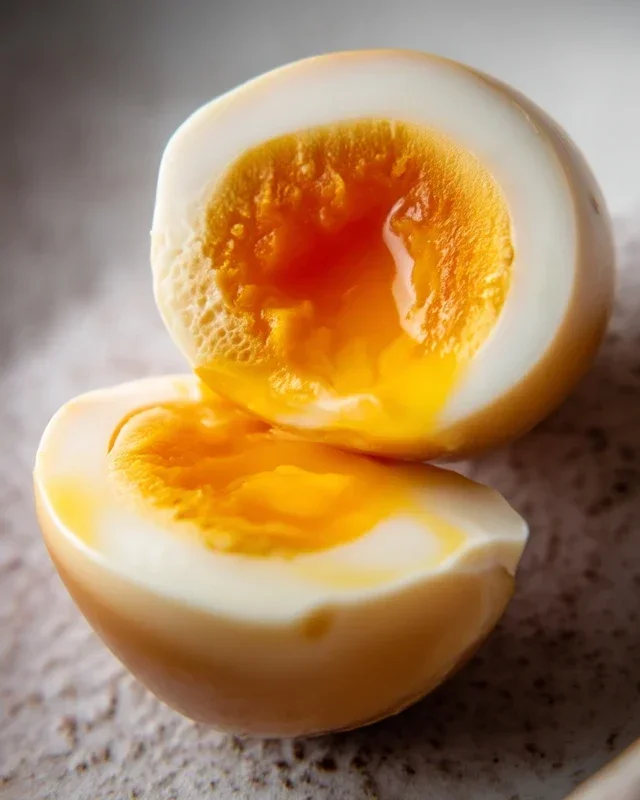
Perfect Ramen Eggs (Ajitsuke Tamago)
There’s something truly magical about a perfectly cooked ramen egg, also known as ajitsuke tamago. That glorious, jammy, golden yolk nestled within a tender, marinated white is a cornerstone of any great bowl of ramen. While they might seem intimidating, trust me, making these yourself is surprisingly straightforward and incredibly rewarding. The key is to get that perfectly soft-boiled egg and then let the marinade work its magic. This recipe will guide you through creating restaurant-quality ramen eggs right in your own kitchen.
Ingredients:
Boiling the Eggs: The Foundation of Perfection
Getting the eggs cooked to the right consistency is paramount. You’re aiming for a state where the whites are set but still tender, and the yolks are gloriously soft, custardy, and just on the verge of being runny. Overcooking them will result in hard-boiled yolks, which, while still edible, won’t give you that iconic ramen egg experience.
Step-by-Step Cooking Instructions:
Storing Your Ajitsuke Tamago:
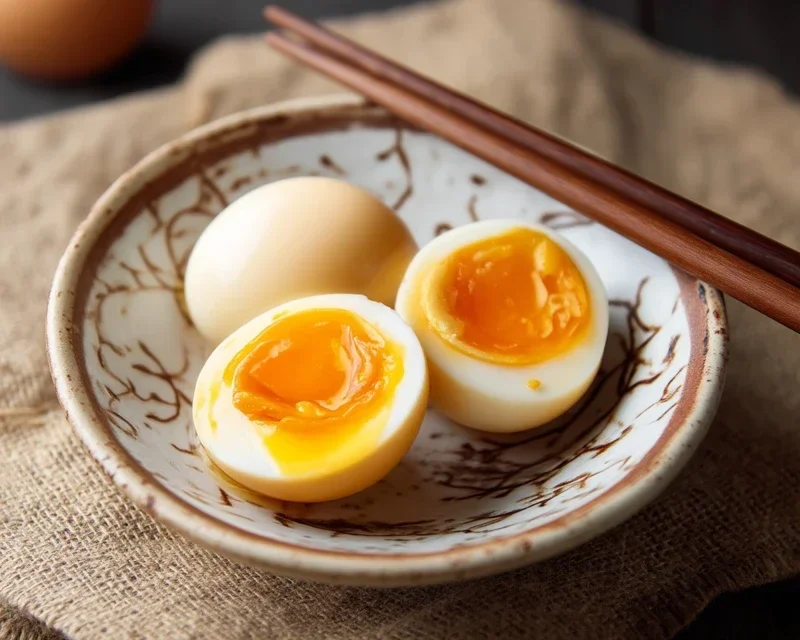
Once marinated, your ramen eggs are best enjoyed within 3 to 4 days. Keep them stored in the refrigerator in their marinade. When you’re ready to serve, gently remove them from the marinade, halve them carefully with a sharp knife, and place them into your piping hot bowl of ramen. The vibrant, savory-sweet flavor of the marinade will have infused the egg whites, while the yolk remains perfectly soft and luscious. Enjoy the fruits of your labor – a truly exceptional ramen experience awaits!
Conclusion:
There you have it! Making perfect Ramen Eggs, or Ajitama, is surprisingly straightforward and incredibly rewarding. These marinated soft-boiled eggs are a game-changer for elevating your noodle soup game, adding a burst of savory, umami goodness with every bite. The beauty of this recipe lies in its simplicity and the incredible depth of flavor it imparts to such a humble ingredient. I truly believe that once you try these, you’ll be hooked on their irresistible charm.
Don’t limit yourself to just ramen, though! These versatile eggs are fantastic sliced over avocado toast, chopped into a salad, or even enjoyed as a standalone snack. Feel free to get creative with the marinade too. Some popular variations include adding a splash of non-alcoholic mirin for sweetness, a pinch of red pepper flakes for a hint of spice, or even some toasted sesame oil for an extra layer of nutty aroma. So, gather your ingredients, embrace the process, and I wholeheartedly encourage you to try making your own Ramen Eggs. You won’t regret it!
Frequently Asked Questions about Ramen Eggs:
Q: How long do the Ramen Eggs last in the refrigerator?
A: Properly stored in their marinade in an airtight container, your Ramen Eggs should stay delicious for about 3 to 4 days. Make sure they are fully submerged in the marinade.
Q: Can I use regular soy sauce if I don’t have Japanese soy sauce?
A: Yes, you absolutely can! While Japanese soy sauce offers a distinct flavor profile, regular soy sauce will still yield tasty results. Just be aware that the saltiness might vary slightly, so you may want to taste and adjust.
Q: What’s the best way to get a perfectly jammy yolk?
A: The key is the boiling time! For a jammy yolk, aim for around 6 to 7 minutes of boiling for large eggs. Immediately plungin extractg them into an ice bath afterward stops the cooking process and makes them easier to peel. Experiment with the timing to find your perfect consistency!
Ramen Eggs (Ajitama)
Perfectly marinated soft-boiled eggs for ramen, with a jammy yolk and savory-sweet flavor.
Ingredients
-
6 large egg
-
1/2 cup soy sauce (light sodium)
-
1/4 cup water
-
1/4 cup non-alcoholic mirin
-
2 tablespoons granulated sugar
Instructions
-
Step 1
Gently lower eggs into boiling water (optional: add a splash of vinegar to prevent cracking). Boil for 6-7 minutes for a jammy yolk. -
Step 2
Immediately transfer eggs to an ice bath to stop the cooking process. Let them chill for at least 10 minutes. -
Step 3
While eggs are chilling, prepare the marinade by whisking together soy sauce, water, non-alcoholic mirin, and granulated sugar in a bowl until sugar is dissolved. -
Step 4
Carefully peel the chilled eggs. They should peel more easily after being in the ice bath. -
Step 5
Place the peeled eggs in a resealable bag or a small container. Pour the marinade over the eggs, ensuring they are fully submerged. -
Step 6
Marinate in the refrigerator for at least 4 hours, or preferably overnight, turning occasionally for even coloring and flavor.
Important Information
Nutrition Facts (Per Serving)
It is important to consider this information as approximate and not to use it as definitive health advice.
Allergy Information
Please check ingredients for potential allergens and consult a health professional if in doubt.